The Allure of Antique Gas Lighting
The Nostalgic Appeal of Old-School Illumination
The hushed whisper of a real gas flame has a peculiar magic. It is a gentle, almost imperceptible sound that speaks of a slower era, steeped in the romance of Victorian verandas and early Cape Dutch homesteads. That authentic, dancing light, with its soft, golden core and wispy blue base, creates a warmth that modern bulbs simply cannot replicate. This is precisely the nostalgia that people are trying to recapture for their homes today.
However, installing actual gas lines for aesthetic purposes is an impractical and often costly venture. The solution lies in the deceptive charm of high-quality replicas. Specifically, outdoor light bulbs that look like gas offer the perfect illusion of a bygone era without the associated safety risks or maintenance. They bring a sense of historical gravitas to a contemporary setting, allowing homeowners to blend the old with the new seamlessly.
The allure is in the detail. When you look closely at a quality flame effect bulb, you are treated to a miniature performance of illumination:
– A soft, undulating glow that mimics a natural draft.
– Dancing shadows that play across textured brick or stucco walls.
– A warm, amber hue that flatters the surrounding architecture.
These bulbs act as more than mere light sources. They are conversation starters, subtle nods to the craftsmanship of a previous century. The gentle light they cast makes a garden path feel like a carriage route and a modern braai area feel like a historic courtyard. In a world of stark, clinical LED output, this return to a softer, more organic form of light is a welcome reprieve, inviting you to pause and enjoy the quiet spectacle of a flickering flame.
How Modern LED Technology Mimics a Live Gas Flame
There is a silent theatre in the gaslight. In 1848, Cape Town’s first gas lamps cast their amber glow down Adderley Street, a spectacle that vanished decades later. Yet modern illumination recaptures that performance. Outdoor light bulbs that look like gas use advanced LED chips to simulate a live flame, complete with random, microsecond shifts in intensity.
The artistry lies in the physics. A quality flame effect bulb combines:
1. A warm 1800K to 2200K colour temperature, replicating the sodium flare of a real burner.
2. A layered set of lenses and reflectors that scatter light the way a glass chimney once did.
3. A patented flicker algorithm that mimics natural draughts, not a mechanical strobe.
These elements conjure an illusion so precise that the eye accepts it as fire. Set one on a stoep, and the dancing shadows against a plaster wall recall an era when night had a slower pulse. That authenticity matters in South Africa, where outdoor light bulbs that look like gas transform mundane driveways into lantern-lit passages, invoking a past you can almost feel.
Why Homeowners Are Choosing This Timeless Aesthetic
Property values in Cape Town’s historic suburbs tell a quiet story. Homes with flame effect lighting on their stoeps hold buyer attention longer. This is not nostalgia for its own sake. It is a yearning for permanence in a disposable age.
The allure of antique gas lighting rests in its honesty. A flame is elemental, a thing that breathes. Homeowners choosing this timeless aesthetic reject the sterile glare of security floods. They want a threshold that feels inhabited, a welcome that predates electricity. Outdoor light bulbs that look like gas offer a compromise between preservation and practicality, letting a modern home wear the gravitas of a Victorian facade without the maintenance of a live burner.
The Psychology of Warm, Flickering Light
Our eyes linger on a candle when the room goes dark. The human nervous system reads a dancing flame as a signal of safety, a vestige from when fire meant warmth and protection. Security floods deliver flat, unforgiving brightness. They command attention. They do not invite it.
Warm, flickering light performs a quieter trick. It mimics the hearth, the campfire, the lantern. This is the allure of antique gas lighting, a phenomenon with little to do with voltage and everything to do with primal comfort. The subtle waver in luminosity slows our pulse.
- The irregular glow reduces eye strain compared to steady glare
- The amber spectrum encourages relaxation and conversation
- The gentle movement draws attention without demanding it
For a South African stoep, this means a threshold that welcomes you home. When I recommend outdoor light bulbs that look like gas, I offer a return to ancient reassurance. Choosing outdoor light bulbs that look like gas for your entrance does the same for your guests!
Exploring Different Varieties of Gas-Style Bulbs
Flicker Flame Bulbs for a Realistic Fire Effect
After years of load shedding, South African eyes know a real flame when they see one. Flicker flame bulbs represent a distinct category within gas-style options. The effect relies on internal microprocessors that generate irregular light patterns. This randomness separates them from simple strobe effects. Some models even mount small servos to wobble the bulb, shifting shadows across your patio floor.
I have tested several builds side by side. The differences are striking! Consider:
- Single diode units suit pathway bollards where detail is less critical.
- Multi diode arrays with independent circuits create overlapping glow, closer to a live flame.
- Adjustable flicker rates allow adaptation for still evenings or windy Cape Town nights.
For outdoor light bulbs that look like gas, colour temperature matters as much as motion. A bulb rated at 2700K reads convincingly. Cooler whites betray the simulation instantly. On a clear South African evening, from across a garden, the difference is unmistakable.
Vintage Carbon Filament Bulbs with a Glowing Amber Tone
Vintage carbon filament bulbs cast a steady, honeyed glow that feels decades old. Unlike their flickering counterparts, these units rely on the amber tone of the glass and the intricate coil shape to sell the gas flame illusion. The filament, often bent into a spiral or zigzag, glows with a warmth that cooler LEDs cannot replicate.
For outdoor light bulbs that look like gas, the carbon filament’s slow dimming curve after shutdown adds authenticity. My own braai evenings improved once I switched from a basic LED to a carbon unit; the light just sits quietly in the garden, casting soft shadows.
Edison-Style Bulbs That Evoke a Gaslight Era
The variety among outdoor light bulbs that look like gas is broader than most people expect. You can find everything from deep amber glass with a smooth, clear finish to heavily seeded options that scatter light like tiny prisms. Each style changes the way the flame tip appears, creating a slightly different glow on your patio or pathway. The beauty lies in matching the bulb to the fixture. A lantern with open sides might suit a clear glass bulb, while a fully enclosed fitting often looks richer with an etched or frosted surface.
One of the more fascinating technical details is the difference between a true flame tip and a cone shape. The flame tip mimics the teardrop shape of a real gas flame, with a slight twist at the top. The cone, on the other hand, is more geometric and throws a wider, softer light. I have found that the flame shape works well on porches where you want that obvious, vintage illusion. The cone works better for security lights or illuminating a driveway, where the focus is on coverage rather than pure ambiance.
Another consideration is the filament structure itself. Some bulbs use a single straight filament, which is simple and clean. Others use a loop or a spiral to create a larger, more complex silhouette when lit. That intricate filament adds depth and visual interest, especially in the early evening before it gets fully dark.
When you are selecting these bulbs, the output matters a lot. Many are dimmable, which is a huge advantage for setting the mood. Pair them with a dimmer switch and you can dial in anything from a subtle, low burn to a brilliant, warm glow that floods the entire stoop.
– Look for bulbs with a 2700K or lower colour temperature for the truest flame colour.
– Check the filament style; a looped filament creates a more prominent, dramatic peak.
– Consider the bulb’s shape first, since the external profile dictates the overall look.
While the visual appeal is obvious, the practical side deserves attention too. Most quality outdoor light bulbs that look like gas are built with durable glass that handles the elements. They are also available in LED, which means you get the gorgeous aesthetic without the energy draw. The initial cost is noticeably higher than a standard bulb, but the lifespan and the atmosphere they create tend to justify it. Just remember to check if your fixture accepts the specific base type, whether it is a candelabra or a standard medium base.
Dimmable vs. Non-Dimmable Options
Choosing between dimmable and non-dimmable varieties changes how your outdoor light bulbs that look like gas perform after sunset. A dimmable bulb paired with a rotary switch lets you lower the glow to a whisper, perfect for late evenings on a Stellenbosch stoep. Non-dimmable options run at full brightness, which suits security-conscious homeowners who want consistent illumination.
The internal driver determines compatibility. Some LED filaments dim smoothly, while others buzz or flicker when paired with older dimmers. Check the packaging for the dimming range before purchasing.
- Dimmable bulbs offer flexibility for entertaining
- Non-dimmable bulbs cost slightly less upfront
- Matching the dimmer switch type prevents performance issues
I have found that the dimmable route adds a layer of control that transforms a plain pathway into something theatrical. For anyone exploring outdoor light bulbs that look like gas, the dimming capability is worth weighing before you commit.
High-Output LEDs for Enhanced Visibility
The demand for high-output LEDs has shifted the conversation around outdoor illumination. Homeowners now expect their outdoor light bulbs that look like gas to deliver more than atmosphere. They require a practical light source for driveways, braai areas, and pathways after dusk. These advanced bulbs produce a significantly brighter lumen count than standard vintage filaments, pushing back the darkness with authority.
This intensity does not compromise the aesthetic. I have observed that modern filaments can be engineered to burn with a rich amber glow while still flooding a large patio with light. The effect is a chiaroscuro of safety and charm, where the yard remains visible and secure. Some units even feature an internal reflector to direct light downwards, reducing glare that makes shadows harsh.
When selecting a high-output model, consider the specific demands of your exterior space.
– Calculate the square footage of the area you need to illuminate.
– Verify the beam angle to ensure wide coverage versus a focused spot.
– Check the colour temperature to retain that warm gas glow.
The right bulb turns a functional necessity into an invitation to stay outside longer. For open plots where security is a concern, the precise visibility of a high-output design offers a quiet confidence. I find that this level of performance, paired with the nostalgic shape, is the definitive choice for the modern South African home.
Selecting the Perfect Gas-Look Bulb for Your Space
Understanding Bulb Shapes and Base Types
Selecting the perfect gas-look bulb starts with your fixture’s physical constraints. The base type determines compatibility, and in South Africa, the E27 screw cap and B22 bayonet cap dominate residential fittings. I always tell clients to check their existing socket before considering aesthetics. A bulb with the wrong base will not fit.
Bulb shape influences light dispersion through glass shades and lanterns. A slender T45 or ST58 tube suits wall-mounted lanterns, while a rounder globe works well in pendant fixtures. The shape affects the viewing angle of the simulated flame. Consider whether the bulb sits vertically or horizontally.
For outdoor light bulbs that look like gas, the base and shape must withstand weather exposure if the fixture is unsealed. Choose a durable envelope and corrosion-resistant base, and you will avoid premature failure! Common options include:
- E27 Edison screw for standard South African lanterns
- B22 bayonet cap for older heritage fittings
Matching Color Temperature to Your Outdoor Atmosphere
Weather Resistance and Durability for Outdoor Use
South African summers deliver brutal UV rays, while coastal winters bring salt-laden moisture. Your outdoor light bulbs that look like gas must survive both extremes. I have watched beautiful installations fail within months simply because the housing corroded or the gasket gave out. Look for sealed units with an IP65 rating or higher. That number means dust cannot enter and water jets cannot penetrate. The base matters just as much. Brass and stainless steel hold up far better than standard aluminium in humid zones. Also consider the temperature range printed on the packaging. Some bulbs handle the Highveld heat, others struggle.
Check these durability markers before buying:
– Ingress protection rating of at least IP65
– Corrosion resistant base material
– Sealed glass to prevent internal fogging
A cheap bulb saves money upfront, but replacement costs and the hassle of climbing a ladder in February heat make durability the wiser investment. Choose for the long haul, not the first evening.
Balancing Brightness (Lumens) with Ambiance
Brightness decisions shape the entire mood. When selecting outdoor light bulbs that look like gas, lumen output matters more than most buyers realise. A 40 lumen bulb casts a candlelit glow, while 200 lumens begin to feel like a working light. The difference is subtle on paper but unmistakable on your patio.
Think about how the space will actually be used. A braai area demands more luminance than a quiet garden bench. The flame effect delivers visual interest at low intensities, so high outputs are rarely necessary. My own patio uses three 60 lumen bulbs at eye level and they cast exactly enough light for conversation.
- Under 50 lumens: intimate corners
- 50 to 150 lumens: dining and social areas
- 150 to 300 lumens: pathways and task zones
When you purchase outdoor light bulbs that look like gas, choose the lowest output that serves the purpose and let the amber flame carry the atmosphere.
Smart Features: Remote Control and Scheduling Capabilities
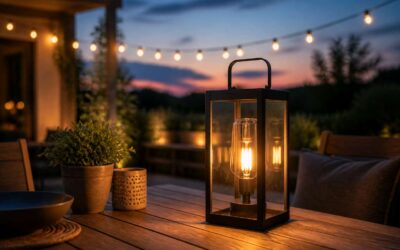
The first time you see a flame-shaped bulb glowing from a sconce on a reclaimed wood porch, the effect is immediate. It tricks the eye for just a second, offering the warmth of a live fire without the smoke, the gas line, or the safety hazard. This is the quiet appeal of outdoor light bulbs that look like gas. They bring a retro charm to modern patios, and they do so with remarkable ease.
While the visual appeal is obvious, the practical details deserve careful thought. The optical illusion works best when the bulb is viewed unshielded, such as in an open lantern or a clear glass fixture. Many of these bulbs use a carbon filament or a flickering LED to mimic the random movement of a real flame. The result feels organic, not like a programmed light show. Look for bulbs with a realistic amber tint, as a pure white light will break the spell instantly.
Beyond the aesthetic, you should consider the physical fit. Standard E26 bases are common, but some European-style fixtures might require an E27 base, which is nearly identical and usually works fine. Check the bulb’s shape as well. A wider “chimney” style might look great in a wall sconce but appear oversized in a small hanging lantern. Measuring your fixture depth is a quick step that prevents the awkward look of a bulb poking out too far.
Once the bulbs are installed, you will quickly appreciate their forgiving nature. They do not radiate the intense heat of a real gas flame, which means you can place them closer to greenery or within reach of guests without worry. They also respond well to dimmer switches, allowing you to shift from a bright welcome to a subtle evening glow. When choosing between LED and incandescent versions, consider your dimming setup and your preference for light color.
If you are upgrading an existing setup, here are a few common base types you will encounter:
– E26 (Standard): The most common screw base in South Africa for medium-sized fixtures.
– E27 (European): Technically a different thread pitch but often interchangeable with E26 in practice.
– B22 (Bayonet): A push-and-twist base, frequently found in older local properties. You will need an adapter for most flame-style bulbs.
Wiring is rarely a concern, but water resistance is a major factor for outdoor use. Look for bulbs rated for damp or wet locations. A damp-rated bulb is fine for a covered patio, while a wet-rated bulb is necessary for an exposed garden lantern. Ignoring this rating will lead to premature failure and a frustrating replacement process.
Ultimately, choosing these bulbs is about crafting a mood that feels both nostalgic and current. They offer the romance of a bygone era, but they glow with the efficiency and convenience of today. Whether you have a modest balcony or a sprawling garden pathway, the soft, dancing light creates an inviting atmosphere that plain bulbs simply cannot match. Take your time to select the right brightness and base, and you will transform your outdoor space into a welcoming retreat.
Installation Tips and Creative Design Ideas
Choosing the Right Fixtures to Complement the Bulbs
Installing outdoor light bulbs that look like gas requires attention to fixture placement. A wall-mounted lantern at eye level casts a softer glow than a ceiling-hung unit. For pathways, keep fixture spacing consistent to avoid dark pools. I recommend positioning bulbs where the flame effect is visible from seating areas, not just from the street.
The fixture itself changes how the faux flame reads. Choose open-bottom lanterns that expose the bulb tip. Enclosed globes diffuse the flicker, which weakens the effect. Brass and copper housings develop a patina over time, and that aged finish pairs naturally with the amber light.
One approach works well for verandas:
- Stagger pendant fixtures at alternating heights to create depth.
- Use sconces with reflective backplates to double the glow.
- Match fixture scale to the wall surface; large walls need large lanterns.
For a cohesive look, select fixtures with the same finish across all outdoor zones. Mixing black and antique bronze can look accidental rather than intentional.
Positioning for Maximum Visual Impact
People assume the allure of gas lighting requires installing an actual gas line. That is messy, expensive, and rigid. Today’s outdoor light bulbs that look like gas offer a practical alternative, but only if you experiment with placement.
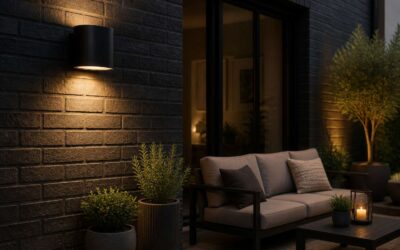
Instead of standard fixture heights, consider grazing a rough stone wall by mounting a sconce near the ground. The textured shadows create an old-world depth, especially under the low winter sun in Cape Town. For a versatile effect, use a dimmer to simulate the rise and fall of a real flame during a Highveld thunderstorm.
Here is how you position them for impactful visual stories:
- Set one focused bulb behind a wind-swept ornamental grass to cast changing, organic shadows.
- Use a pair of lamps near a reflective puddle or pool edge to double the flicker.
- Place one source inside a traditional braai to blend modern efficiency with pure, ancestral comfort.
The wind, the rain, and the specific geology of your garden become part of the performance, creating an installation that always feels fresh.
Pairing with Materials like Bronze and Copper
Nothing ruins the illusion of a Victorian gas lamp faster than a glaring white plastic fitting. The secret to selling the effect lies in the metal around the bulb. Bronze and copper age beautifully, developing a patina that suggests history. Install the fixture where it will catch the weather, not hide from it. A copper sconce that greens with time becomes part of the garden’s palette.
When mounting, consider the mineral content of your water. Cape Town’s supply leaves spots on brass, so I wipe fittings after rain. For a quick upgrade:
- Use a cage fixture to cast shadow stripes across a wall.
- Match the metal finish to your window frames.
- Seal copper with a clear lacquer if you prefer shine over patina.
Outdoor light bulbs that look like gas reward this attention. The right metal makes outdoor light bulbs that look like gas believable. That is the difference between a prop and a feature!
Creating a Grand Entrance with Wall Sconces and Path Lights
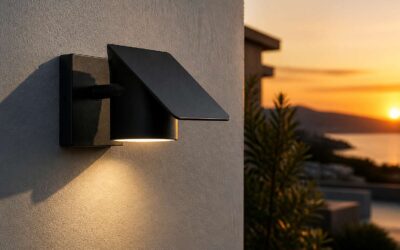
A grand entrance tells guests what to expect before they knock. Wall sconces and path lights must work as one system. For outdoor light bulbs that look like gas, a mounting height of 1.6 meters places the flame effect at eye level. That flatters the façade without forcing a squint.
Spacing path lights two meters apart creates an even line of illumination. Downward sconces produce a focused glow for doorsteps, while upward orientation accents columns. Every bulb in the arrangement should share one style. A flickering amber flame beside a bright white LED ruins the period effect.
- The homeowner who tests the layout from the street at night sees which angles leave dark spots.
- Fixture scale must match the doorway, as oversized lamps overwhelm a modest entrance.
This arrangement ensures outdoor light bulbs that look like gas illuminate the correct path for late arrivals.
Maintenance and Replacement Best Practices
Installing outdoor light bulbs that look like gas starts with the fixture’s gasket. A poor seal invites Highveld thunderstorms straight into the socket. I always check the IP rating before mounting anything. Coastal gardens demand more attention, since salt air corrodes brass fittings faster than inland owners expect.
Replacement becomes simpler when you keep spare bulbs in the same colour temperature. A mismatched amber tone ruins the whole façade. Every six months, wipe the glass with a soft cloth. This prevents grime from dimming the flame effect. In South Africa, the sun’s UV rays can yellow plastic housings, so choose glass fixtures for longevity.
- Switch off the circuit at the breaker box before touching anything.
- Clean the socket with a dry cloth to remove dust and spider webs.
- Hand tighten the bulb. Over tightening cracks the glass.
Outdoor light bulbs that look like gas reward a steady maintenance rhythm. A quick inspection after storm season catches loose connections early.

0 Comments