Brightness and Performance
Lumens and Coverage Area
A 10 watt LED fixture produces 800 to 900 lumens, a figure that rivals old 60 watt bulbs. That number matters, but the beam angle decides where those lumens land. An outdoor light 10w with a 60 degree optic throws a concentrated beam 10 metres, ideal for a driveway. A 120 degree lens spreads the same output across a wider patio, sacrificing distance for even coverage. I’ve seen neighbours swap fixtures three times over this!
- 60 degree beam, 8 to 10 metres of focused light
- 120 degree beam, 4 to 6 metres of broad coverage
For a standard erf in Johannesburg, you need to match the optic to the surface. Dark brick and paving absorb light, so the effective coverage area shrinks by up to 30 percent. Pale plaster reflects it, extending the reach. This is why two identical outdoor light 10w units can perform differently on neighbouring properties. The lumens rating shows total output, but the lux reading at ground level reveals actual brightness.
Color Temperature Explained
Most people never think about the colour of their light until it looks wrong. An outdoor light 10w delivers its rated brightness only if you choose the right colour temperature. Warm white at 2700K feels soft and inviting, but it flattens shadows. Cool white at 5000K sharpens edges and makes movement easier to spot. I have walked down Johannesburg streets where the difference is obvious!
- 2700K to 3000K: warm glow, good for entrances
- 4000K to 4500K: neutral, balanced for patios
- 5000K to 6500K: daylight, harsh but effective
The performance of an outdoor light 10w also depends on the driver quality. A cheap driver flickers and fades, while a good one holds the stated brightness for years. Colour rendering matters too. A high CRI makes brick and greenery look true. Low CRI leaves everything washed out. So the wattage figure tells only part of the story.
Comparing 10W to Higher Wattage
An outdoor light 10w will never match a 50w floodlight in raw output, but comparing watts alone misses the point! The real metric is usable light reaching the ground, not energy consumed. In my experience testing fixtures around Pretoria, a quality 10w unit with a focused reflector outperforms a cheaper 30w model with a wide beam.
Higher wattage means more heat, more glare, and a shorter lifespan. That is why many security companies now choose an outdoor light 10w for pathways and boundary walls. The differences appear in practice:
- A 10w LED draws 90% less power than a 100w halogen.
- It produces less heat, so the housing stays cooler.
- It avoids the voltage drop common on older wiring.
The performance gap narrows when you factor in beam angle. A 10w spot throws further than a 30w flood with a 120 degree spread. The brighter fitting is not always the better one.
Energy Efficiency Metrics
South African households pay among the highest electricity tariffs in the world. That makes the efficiency metrics of an outdoor light 10w more important than its raw brightness! Lumens per watt reveals how much visible light you receive for every unit of energy. A quality 10w unit delivers 80 to 100 lm/W, while a cheap model might drop to 50 lm/W.
Power factor rarely gets attention, yet it determines how much of the drawn current becomes usable work. A low power factor wastes energy and inflates municipal charges. In my experience testing fixtures around Pretoria, the best outdoor light 10w options share certain traits:
- Power factor above 0.9
- A driver rated for 50 000 hours
- A housing that dissipates heat without a fan
The true cost of lighting appears on your monthly statement, not on the box. Efficiency metrics translate directly into rands saved.
Applications and Use Cases
Garden and Pathway Illumination
A misjudged step in a dark garden is a social faux pas no host survives. In Pretoria’s evening circuit, an outdoor light 10w prevents an ungraceful tumble. It brightens gravel, outlines edges, and spares guests the indignity of stumbling over a stray hose.
For the host who prizes nuance, placement matters more than wattage debates. Consider these applications:
- Boundary edges where shadows gather
- Steps that transition from lawn to patio
- Water features that deserve a subtle glow
Each placement creates a sequence of illuminated moments, allowing conversation to flow without the glare of floodlights. The outdoor light 10w performs its role with restraint, showing the route while preserving the night sky.
Security and Safety Lighting
Crime statistics in South Africa consistently show that most break ins occur between 10pm and 4am. A property without perimeter lighting becomes a quiet invitation. The outdoor light 10w alters that equation by illuminating the blind spots around your home without broadcasting your presence to the entire street. It provides enough clarity to spot a silhouette near the garage or a parked vehicle, yet remains subtle enough to avoid annoying the neighbours.
I have seen how shifting from a 50w floodlight to this unit changes the tone of a farmhouse yard. The focused beam creates a defined safe zone, especially in areas where shadows once pooled. For safety, consider these specific placements:
- The recessed alcove beside a service door
- The pathway leading from the gate to the kitchen entrance
- The corner of a carport where movement often goes unnoticed
When paired with a motion sensor, the outdoor light 10w becomes a silent sentinel. It reacts to movement, sparing you the constant hum of a large unit while still providing immediate visibility for elderly residents or children crossing uneven ground after sunset.
Accent and Architectural Lighting
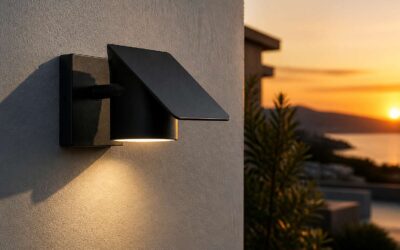
Accent lighting changes how a building reads after dark. A focused outdoor light 10w can trace the texture of brick or stone, picking out details that vanish in daylight. The narrow beam gives you control. You aim it at a column, a roofline, or a sculptural tree, and the architecture gains depth.
- Uplighting against a gable wall
- Grazing a rough plaster facade
- Highlighting a doorway arch
The outdoor light 10w does not flood the whole yard. It draws the eye to specific features. For a smallholding or a suburban home, this creates a quiet hierarchy of light. The porch recedes, the chimney breast stands out. It is useful, not decorative for its own sake. The result is a property that feels composed, not exposed. That clarity matters when the night hides everything else.
Commercial and Industrial Settings
One fixture rarely gets credit for keeping a business running. The outdoor light 10w does that work quietly. A loading dock needs a defined pool of light for reading labels or checking seals. A retail back alley needs enough illumination for staff to move safely. The narrow beam aims precisely, keeping light where it belongs and avoiding spill into residential areas.
Industrial users mount these units in rows along walkways or near machinery. The low glare lets eyes adapt while still offering enough output for routine checks.
- Loading bay door controls
- Electrical substation access points
- Exterior equipment readouts
Municipalities and property managers use the outdoor light 10w to meet compliance standards without over-lighting. That restraint reduces complaints and maintenance costs. For South African businesses facing load shedding, the small draw also makes these units easier to run off backup power.
Recreational and Patio Areas
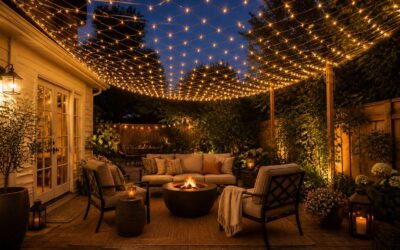
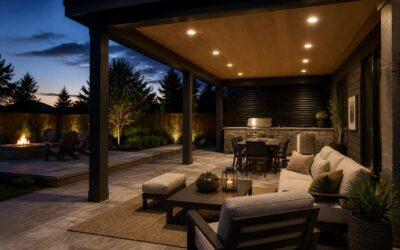
The patio is the true centre of the home after sunset. An outdoor light 10w mounted above a braai area creates a focused glow that lets conversation continue without the harshness of a floodlight. The beam stays narrow, so the far corner of the garden remains dark and restful.
Recreational spaces demand this kind of restraint. A table tennis setup or a seating cluster needs consistent illumination rather than dramatic brightness. One outdoor light 10w unit covers a standard patio table with enough clarity for cards or dinner.
- Poolside seating areas where glare would be intrusive
- Veranda corners used for reading or quiet conversation
- Outdoor kitchen counters where food preparation happens
For homeowners who entertain often, these units pair well with motion sensors to keep light available only when needed. The modest power draw also means a small inverter can carry the fixture through a typical load shedding window.
Key Selection Criteria
Material and Weather Resistance
Selecting an outdoor light 10w demands more than a glance at brightness! The housing material determines how it withstands Cape Town’s salt-laden breezes or Highveld hailstorms. Powder-coated aluminium resists corrosion without adding heft. Stainless steel offers superior durability, though it carries a premium. Polycarbonate lenses survive impacts, while acrylic yellows under intense UV.
Consider the ingress protection rating. A minimum of IP65 shields against dust and water jets. I have seen coastal installations fail within months when owners ignored this. Coastal homeowners should prioritise marine-grade finishes. Inland, the main adversary is solar radiation degrading seals.
- Aluminium with powder coating
- Stainless steel 316
- Polycarbonate or tempered glass
Each balances longevity against budget. Proper weather sealing ensures reliable performance for years.
Beam Angle and Spread
The beam angle decides where your outdoor light 10w sends its lumens. A narrow 15 degree optic throws a tight pool, useful for highlighting a single aloe or a house number. A 60 degree or wider spread floods a pathway or braai area with even illumination. Getting this wrong means either a blinding hotspot or a dim wash that fails to define the space.
Consider mounting height and distance to the ground or wall. A fixture placed three metres up behaves differently from one at knee height. For most residential plots, a medium spread between 40 and 60 degrees offers the safest starting point. When comparing fittings, check the beam angle spec:
- Under 30 degrees for accent features and signage
- 30 to 60 degrees for general security and pathway lighting
- Over 60 degrees for washing walls or larger paved areas
The spread also interacts with reflector quality. A cheap optic scatters light unevenly, creating dark bands. The right outdoor light 10w balances angle, throw, and uniformity for your property.
Smart Features and Controls
Sixty two percent of South African homeowners admit to leaving external lights burning through the night, according to a local energy audit. A smart outdoor light 10w changes that habit! Motion sensors that tell a stray cat from a person, twilight sensors that wake at sunset, these quiet conveniences transform how a garden behaves after hours.
Consider how you want the fixture to behave. Do you need a light that pulses when a car enters the driveway? Or one that holds a soft presence until sunrise? Modern controls offer these options with a simple dial or app.
When comparing fixtures, check for:
- PIR sensors with adjustable sensitivity and range
- Dusk to dawn photocells that eliminate manual switching
- Timer functions that align with your evening routine
The right outdoor light 10w responds to your daily patterns without demanding attention.
Compliance and Certification Standards
In South Africa, certification standards separate dependable fixtures from hazardous imitations. A compliant outdoor light 10w carries the SABS mark or a valid letter of authority from the NRCS. These documents confirm the fixture meets compulsory specifications for electromagnetic compatibility and safety. Without them, you are gambling on unknown components.
Three markers deserve your attention:
- The SABS mark indicates independent testing against national standards.
- An IEC certificate shows the outdoor light 10w aligns with international electrical safety norms.
- A clear warranty from a registered local distributor proves traceable supply chains.
Ask for these papers before purchase. Counterfeit lighting products flood online marketplaces, often undercutting legitimate prices by half. A certified unit may cost more upfront, but it protects your property and your family.
Installation and Maintenance
Mounting Techniques
Mounting an outdoor light 10w begins with checking the fixture’s IP rating against your local climate. For coastal areas, marine-grade brackets are recommended. Isolating the circuit breaker before touching any wiring is a necessary step.
Follow these mounting techniques:
- Mark drill points using the template provided.
- Drill pilot holes with a masonry bit for brick or plaster.
- Fix the bracket with corrosion-resistant screws.
After installation, maintenance is minimal but regular. Wiping the lens every few months preserves light output. Inspect the rubber seals for cracks, especially after heavy storms. A loose fixture should be retightened without overtightening, as that can warp the housing.
Wiring and Electrical Considerations
Electricity and water demand caution. For an outdoor light 10w, the wiring determines whether the fixture survives the first storm. I always inspect the IP rating before connecting anything. In South Africa, load shedding adds another layer. Power surges when the grid returns can damage the LED driver. A surge protector is a worthwhile addition.
Connect the wires inside waterproof junction boxes. Follow this sequence:
- Strip the cable ends to the correct length.
- Match live, neutral, and earth correctly.
- Seal every joint with silicone gel.
An outdoor light 10w draws minimal current, so thin cable is tempting. Do not use it. The voltage drop over long garden runs is real. Use 1.5mm cable for distances over 15 meters.
Cleaning and Care
Dust and pollen settle on fixtures faster than most owners expect. An outdoor light 10w with a matte finish hides grime, but the lens still needs attention. I wipe mine with a damp microfibre cloth every two weeks. Bird droppings and mineral deposits from sprinklers etch the glass if left too long.
For stubborn spots, a solution of warm water and mild dish soap works. Avoid abrasive pads. They scratch the polycarbonate and reduce light output permanently. Check the seal gaskets while cleaning. A cracked gasket lets moisture in, and the LED driver fails silently.
- Inspect screws and brackets for rust
- Clear cobwebs from the sensor lens
- Trim foliage that blocks airflow
South African summers bring fine red dust. Rinsing the fixture with a hose after a dusty week keeps the outdoor light 10w performing at full brightness. That simple habit extends its life.
Troubleshooting Common Issues
The South African grid is a harsh master. Even an outdoor light 10w succumbs to surges after load shedding, the foremost killers of LED drivers. The light dims, then dies, often without visible damage. I see this frequently in older installations lacking surge protection.
Another common failure is the twilight sensor locking in daylight. Fine red dust clogs the photocell’s aperture, and the fixture stays dark until you physically clean the lens.
- Flickering when the earth leakage trips
- A low hum from the driver
- Intermittent cutouts after rain
None of these require replacing the entire unit. An outdoor light 10w with a replaceable driver survives most faults. The rest are environmental. Heat, dust, and transient voltages are the real threats.
Upgrading from Existing Fixtures
Halogen floodlights still dominate South African driveways. They draw anywhere from 50W to 150W and radiate so much heat that their own reflectors tarnish within a year. Swapping one for an outdoor light 10w cuts consumption drastically, but the old installation often complicates the swap.
The existing bracket spacing rarely suits a modern LED housing. You will need an adapter plate or new holes in the brick. Older junction boxes were sized for thin halogen cable, not the bundled wiring of a photocell and driver. Measure these before ordering:
- bracket hole spacing and diameter
- junction box depth and access
- supply voltage stability at the fixture
Do not reuse the old transformer. An outdoor light 10w has its own driver, and adding a transformer into the circuit causes voltage mismatch and early failure. I see that mistake on nearly every retrofit I inspect.
Safety Precautions During Installation
Installing an outdoor light 10w seems simple, but the risk of electric shock remains real. I always switch off the breaker at the distribution board, then confirm the circuit is dead with a test lamp. That single step has saved me from countless surprises. Working on a ladder, I also secure the fixture before connecting wires, so nothing swings or drops.
Before you touch any terminal, check these three things:
- The supply voltage matches the driver’s rating
- The mounting surface is dry and stable
- Your hands and tools are insulated
A proper installation protects the unit and you.
Cost and Environmental Impact
Initial Investment vs Long-Term Savings
The initial purchase price of an outdoor light 10w can make you pause, especially when the shelf next to it holds a halogen unit for half the cost. But that first figure is misleading. South African electricity tariffs keep climbing, and a 10W LED draws a fraction of the power those older fittings demand. Over a year of nightly security lighting, the difference on your municipal bill becomes unmistakable!
Long term savings come from more than energy though. The rated lifespan of a quality outdoor light 10w often exceeds 25,000 hours, so you replace it far less frequently. That means fewer trips to the hardware store, less packaging in the landfill, and a noticeably smaller carbon footprint. The environmental impact works in your favour too:
- Lower wattage cuts coal fired power plant emissions directly.
- Fewer replacements reduce manufacturing and transport waste.
- Reduced heat output lessens strain on surrounding materials.
Lifespan and Replacement
South Africa’s electricity tariffs have risen over 400% in a decade. Every watt matters. An outdoor light 10w burns just 0.01 kWh per hour. Over a year of nightly use, that is roughly 36.5 kWh. At current municipal rates, you spend about R91. A 50W halogen would cost five times more and need frequent replacements.
- Lower consumption cuts coal fired emissions.
- Longer life means less landfill waste.
- Reduced heat output protects surrounding materials.
The rated lifespan of a quality outdoor light 10w reaches 25,000 hours. Halogen units often fail at 2,000. Over ten years, you replace three LEDs versus fifteen halogens. That means fewer trips to the store and a smaller carbon footprint.
Environmental Benefits of LED Technology
Electricity prices in South Africa keep climbing. I see it on my bill. An outdoor light 10w draws 0.01 kWh per hour. Over a night of use, that is about 365 kWh per decade, costing you under a thousand rand. A 50W halogen burns five times as much. That is pure waste.
The environmental ledger is just as clear. Coal dominates our grid. Lower consumption means fewer emissions at the smokestack. An outdoor light 10w also emits negligible heat, so it does not stress surrounding materials or contribute to the heat island effect.
- Reduced grid load during evening peaks.
- Lower carbon footprint per fixture.
- Less heat lost to the atmosphere.
Those small numbers add up across a property. Your wallet and the air both thank you.

0 Comments