Understanding LED Outdoor Lighting
What is LED for outdoors
Light is the quiet invitation that greets you after dark. A well designed outdoor lighting led setup can transform a yard into a welcoming stage, enhancing safety and curb appeal. “The right light,” as a local designer says, “invites you home with warmth!”
Understanding what LED for outdoors means helps you pick reliable gear. These systems, or outdoor lighting led setups, run cooler, sip energy, and last longer than older bulbs. They use weatherproof housings, low-maintenance drivers, and color temperatures that suit South Africa’s evenings, from soft ambers to crisp whites.
Key advantages of choosing outdoor lighting led include:
- Energy efficiency lowers running costs.
- Long life means fewer bulb changes.
- Rugged, weatherproof designs handle SA summers and winters.
- Low heat output protects plants and people.
In the South African landscape, durability and energy efficiency combine to make outdoor lighting led a smart, stylish choice for homes and commercial spaces.
Key benefits for landscapes
The South African dusk has its own rhetoric: light as invitation. outdoor lighting led makes yards stage-like, lifting safety and atmosphere, with studies noting up to a 40% boost in perceived curb appeal after dark. As one local designer puts it, “The right light invites you home with warmth!”
These systems stay cooler, sip energy, and endure SA’s capricious climate, thanks to weatherproof housings and low-maintenance drivers. They cast color temperatures from soft ambers to crisp whites that highlight sculpted lawns and stone terraces without startling wildlife or plants.
Key benefits at a glance include:
- Energy efficiency lowers running costs
- Long life reduces maintenance and bulb changes
- Rugged, weatherproof designs handle SA summers and winters
- Low heat output protects plants and people
Energy efficiency and cost savings
Bright evenings don’t have to burn a hole in your pocket. outdoor lighting led slashes energy use by up to 80% compared with halogen, turning the warm glow you love into real savings on the meter. It’s performance with restraint—dramatic effect without waste.
- Lower wattage and smart drivers
- Longer life means fewer bulb changes
- Reliable, weather-ready components for SA climates
Over the system’s lifetime, cost of ownership declines as energy bills shrink and upkeep becomes sporadic. With outdoor lighting led, you’re pairing beauty with practical savings and a calm, inviting landscape after dark.
Lighting quality and color temperature
In South Africa, two-thirds of homeowners say their outdoor evenings feel more inviting when lighting is tuned just right. outdoor lighting led turns that promise into a practical glow, a quiet ember that guides feet and heart alike.
Lighting quality hinges on color temperature and rendering. For outdoor spaces, warm 2700K–3000K creates coziness around wood and stone, while 3500K offers a balanced, legible landscape. A high CRI—80+—lets greens and browns read truthfully, so flowers glow as they do by day.
To weave mood with function, thoughtful beam control matters. Consider distances, shadow dance, and eye comfort to avoid glare and preserve the night sky.
- Color temperature and mood: 2700K–3500K.
- CRI and color realism: 80+ for authentic hues.
- Beam angle and glare control for even coverage.
With outdoor lighting led, you sculpt atmosphere with the precision of a stargazer, where pathways glow softly and your landscape blooms after dark.
Choosing LED Fixtures for Outdoor Spaces
Fixture types and applications
“Light is the architecture of mood,” a designer once whispered. Choosing outdoor lighting led isn’t just about brightness; it’s about guiding the eye, shaping space, and inviting conversation after sunset. For South African patios and gardens, durability and subtle warmth are as vital as design. The way we illuminate says something about safety, memory, and hospitality—and I feel that truth in every dusk.
- Spotlights and floodlights to sculpt features or illuminate entryways
- Bollard lights for safe, welcoming paths
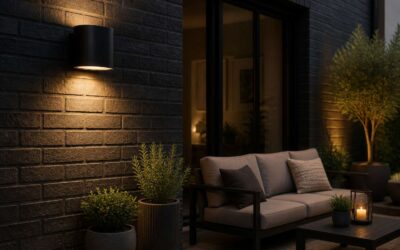
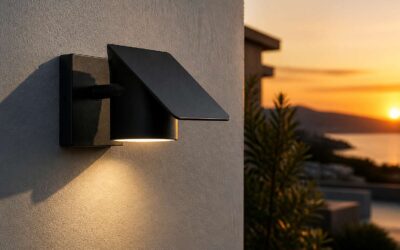
- Wall-mounted luminaires to accent façades without glare
- Step lights for stairs and transitions
- Deck and under-eave accents to create intimate corners
When you choose, consider where people gather—terrace, poolside, or garden perimeter—and let the fixture’s character guide those spaces. Coastal towns demand weather, salt, and UV resilience; urban yards crave discreet silhouettes that blend with materials. With thoughtful outdoor lighting led, spaces become rooms that breathe after dark.
IP ratings and durability
Twilight holds a quiet promise, and outdoor lighting led becomes the guardian of that promise. Durability isn’t mere endurance; it’s a language that speaks to salt wind, relentless UV, and the rhythm of night. In South Africa’s coastal towns and stately gardens alike, the right IP rating protects mood and memory.
To speak the truth of durability, look at IP ratings that shield against sea spray and sun:
- IP65 — dust-tight and rain-ready
- IP66 — gusts of spray handled with ease
- IP68 — submersible strength for deeper corners
Choose fixtures whose character echoes coastal timber or urban stone, letting their warmth guide gatherings and soften evenings without glare.
Beam angles and light distribution
“Light is the punctuation of a landscape,” Cape towns remind us, and the right beam breaks dusk into belonging. With outdoor lighting led, you don’t just light a space—you sculpt the rhythm of evenings, guiding footsteps and quiet conversations. The key is distribution that feels generous without glare, tailored to each feature: a winding path, a timber deck, a stone wall.
Think in degrees: narrow for trails, medium for plants at eye level, wide for seating nooks. For outdoor lighting led, choose fixtures whose glow matches the mood you want, from warm ambers to crisp whites. Let the glow echo coastal timber or urban stone, inviting conversations to linger and spaces to breathe.
- Narrow beam (10–20°) for guiding paths with gentle focus
- Medium beam (25–40°) for feature plants and entryways
- Wide beam (60–90°) for social terraces and decks
Mounting options and installation tips
Every outdoor space tells a story at dusk, and the right fixture lets it breathe. In South Africa’s long evenings, outdoor lighting led becomes more than illumination—it is a careful invitation to linger on the stoep, share a story, and watch the yard soften into memory.
Mounting options can shape how space reads. Consider your home’s architecture, timber decks, stone walls, and garden fences when choosing:
- Surface-mount for walls and timber features
- Post or column mounts for gateways and decks
- Ground spikes for paths and lawn edges
Installation considerations: let durability and weathering guide the choices, with weatherproof, corrosion-resistant fittings and finishes that age gracefully in our climate. For outdoor lighting led, the glow should feel settled, not rushed, with cables discreet and connections protected from rain. The aim is a space that breathes after sunset.
Designing an Outdoor Lighting Plan
Layering light for curb appeal
Even at the first whisper of dusk, a home that glows is a promise kept. Recent data suggests curb appeal climbs by up to 30% when lighting is thoughtful and precise, a stat that turns façades into living poetry. With outdoor lighting led, brick and timber breathe with the night.
A layered approach to lighting weaves ambient glow along walls, soft task light for paths, and careful accents on trees and sculpture, letting the eye drift and dwell. The result is a curb that feels curated and generous—architecture softened, shadows made friendly, the landscape telling its story in color and warmth!
In South Africa, where evenings unfold under a canopy of stars and the sound of braai coals, such lighting honors the land’s temperament—durable, energy-conscious, and quietly glamorous. The glow becomes an invitation to linger, to dream, to return, with outdoor lighting led guiding the night.
Safety and security considerations
In a South African dusk, a thoughtful outdoor lighting led plan does more than illuminate—it shapes security and mood. Well-placed fixtures can reduce nighttime incidents by up to 25%, turning entrances into confident thresholds and inviting conversations as neighbours step onto the street.
Design your plan around three zones: entry, path, and perimeter, keeping light soft, glare low, and sightlines clear for both residents and passers-by.
- Shielded fixtures prevent glare into windows and eyes
- Motion or timer controls boost security without waste
- Weather-resistant fittings suit South Africa’s evenings
Let the glow be generous but discreet, guiding footsteps, quietly deterring mischief, and harmonising with the landscape’s rhythm.
Smart controls and automation
Evening streets shimmer with possibility when a plan is drawn like a map to a hidden realm. In South Africa, studies suggest up to 30% energy savings with intelligent control, and a mood that feels both safe and welcoming. The hero of this story is outdoor lighting led, steady as a beacon and gentle as a whisper, guiding footsteps without shouting into the night.
Design the plan around rhythm and restraint, letting automation choreograph light by intent rather than brute brightness. Motion sensors, daylight harvesting, and programmable scenes weave a theatre of glow that changes with the hour, the season, and the mood—while keeping glare low and sightlines clear.
Such an ecosystem thrives on a few simple threads that hold it together:
- Occupancy and vacancy sensing to modulate brightness
- Smart timers and astronomical clocks to follow the sun and the season
- Scene settings that tailor entrances, paths, and perimeters to the moment
Let the glow breathe with the landscape, neither overpowering nor faint, and let the night tell stories of safety and elegance.
Seasonal and weather considerations
Seasonal balance is the quiet architect of outdoor spaces. In South Africa, smart, weather-aware lighting can trim energy up to 30%, turning night into a controlled environment of safety and elegance. For outdoor lighting led plans, the season and the weather aren’t afterthoughts—they are the tempo that guides placement, color, and glow.
- Seasonal sun angles and shade patterns shaping glow.
- Rain, humidity and dust impact on mounting and sightlines.
- Temperature swings and wind-driven debris affecting fixture placement.
Design the plan around rhythm and restraint, letting seasons choreograph a gentle, adaptive glow. With outdoor lighting led, you can craft scenes that soften in winter mornings and brighten during festive evenings, always mindful of glare and safety.
Installation, Wiring, and Maintenance
Wiring basics and important codes
On a South African property, installation is as much about approach as fixture choice. For outdoor lighting led schemes, map the site, plan cable routes to code, and select watertight housings. A thoughtful layout minimizes glare and voltage drop, turning a setup into lasting ambience.
- Use low-voltage, weatherproof connectors rated for SA conditions
- Keep drivers in a sheltered enclosure and avoid run lengths that overheat
- Label circuits and protect cables from foot traffic and tools
Wiring basics and important codes steer every connection. In South Africa, reference SANS 10142-1 for electrical installations, ensure IP-rated cabling, and use protection for outdoor outlets. A properly sized driver and secure terminations prevent dimming and outages, especially in exposed garden settings.
Maintenance keeps the glow, with periodic lens cleaning, seal checks, and fittings tightened. A quick audit preserves safety, efficiency, and the steady charm of outdoor lighting led through every season.
Weatherproofing and seals
Installation on a South African property hinges on how space and light meet. With outdoor lighting led, the siting of fixtures influences atmosphere as much as wattage, guiding guests along paths and terraces from golden sunset to quiet afterglow.
Wiring essentials follow a careful map: plan routes to code, use IP-rated cabling, and keep drivers in sheltered enclosures. This approach minimizes glare and voltage drop, and reduces heat buildup in exposed garden corners that love sunshine and rain alike.
Maintenance preserves the glow: lens cleaning, seal checks, and fittings tightened keep performance steady through seasons. Weatherproofing and seals protect every connection, while a quick audit catches wear before it becomes a fault.
- Weatherproof housings and robust seals
- Cables protected from foot traffic and tools
Maintenance and longevity tips
In South Africa’s evenings, installation decisions shape a property’s rhythm. With outdoor lighting led, siting fixtures along steps and terraces guides guests from sunset glow to night’s quiet. The aim is seamless integration—fixtures that disappear in daylight but perform when darkness falls.
Wiring is the quiet backbone of lasting effects. A measured approach treats circuits as conversations with the garden, emphasizing tidy routes, durable connections, and sheltered drivers that stay out of sight. When wiring aligns with the landscape, glare fades and the space breathes.
Maintenance and longevity hinge on durable design choices. Favor corrosion-resistant materials, serviceable components, and modular layouts so the glow remains consistent through shifting seasons—especially with outdoor lighting led.
- Durability-focused materials
- Modular design for upgrades
Troubleshooting common issues
Evenings in South Africa reveal paths that glow with purpose long after sunset, turning gardens into living stories. Installation in dusk-drawn landscapes invites a careful choreography. Fixtures along steps and terraces guide guests with a gentle rhythm, while the glow remains invisible by day. With outdoor lighting led, choose low-profile fittings that complement stonework and test color balance across seasons.
Wiring threads the garden like a quiet dialogue. Plan tidy routes, shield cables in conduit, and bury lines at safe depths to avoid weathering. Keep drivers tucked away from view so the scene breathes with moonlit calm.
Maintenance troubleshooting common issues centers on listening for flicker, dimming, or unexpected shifts in brightness. Typical culprits include loose connections, moisture at seals, or aging drivers. If problems persist, lean toward modular upgrades that preserve the landscape’s rhythm.
- Loose connections or corrosion at terminals
- Moisture ingress through seals
- Aging drivers or transformers

0 Comments