Fundamentals of Outdoor Lighting
Why outdoor lighting matters for safety and curb appeal
Across South Africa’s cities and suburbs, a well-timed beam turns night into a usable space. A recent survey indicates 68% of homeowners feel safer when their exterior is thoughtfully lit. Light is not merely illumination; it is invitation, a handshake with the dark. In this section, we unpack the fundamentals of outdoor lighting, from placement to color and timing, shaping an outdoor light plan that works after dusk!
To get the balance right, consider these essentials.
- Placement along walkways and entry points for visibility
- Color temperature choices to set mood and reduce glare
- Energy efficiency and smart controls to guard power use
Yards transform with a few deliberate beams—quiet, purposeful, and generous. That outdoor light becomes a quiet invitation, improving safety and curb appeal without shouting. In the urban and rural mosaic of South Africa, such lighting is more than utility; it is a rhetorical gesture toward hospitality and care.
Key lighting principles for mood and visibility
At dusk, the landscape sighs; the outdoor light answers with patient clarity. In Cape Town’s gardens and Johannesburg’s avenues, the right beam invites the night to yield its secrets. A measured glow can extend usable evenings by up to 25%, where shadows become allies and the dark reveals a hidden elegance.
Fundamentals begin with placement: arc lighting along walkways to guide the eye without glare. Color temperature shapes mood, a warm whisper rather than a blaze. Efficiency and smart controls turn moonlight into usable time for outdoor light, trimming power while preserving atmosphere.
- Layer depth with a mix of path, wall, and down lighting for texture
- Choose warm tones (2700–3000 K) to invite without glare
- Shielded fixtures and smart controls guard energy and timing
Overview of fixture types and their roles
A recent survey across South Africa shows that the right outdoor light can extend usable evenings by up to a quarter, turning quiet spaces into social stages. Light acts as a quiet conductor, guiding movement and revealing texture as dusk settles over Cape Town’s terraces or Joburg’s avenues.
Fundamentals begin with a plan for fixture types and their roles.
- Path lights: guides along walkways with low glare
- Wall lights: sculpt façades, add depth
- Downlights: wash surfaces with controlled beams
- Bollards: mark borders with even brightness
- Step/deck lights: define edges and safety
- Spotlights/floods: highlight focal features
In practice, balance warmth with shielded forms and smart controls to curb glare and waste. The 2700–3000 K range feels inviting, while weatherproof fixtures stand up to SA summers and coastal air. This approach keeps outdoor light atmospheric long after sunset.
Maintenance and safety considerations for outdoor systems
An outdoor light is a stoic host—brightening the evening without fuss, a reliable stand-in for conversation. Fundamentals of maintenance and safety begin with a respect for weathering, proper seals, and smart protection against moisture and salt. In South Africa’s sun and coastal air, fixtures deserve regular care so they don’t sulk in the gloom after sunset.
- Seals and weatherproofing to guard against rain and salt breeze
- Lenses and optics cleanliness to preserve clarity
- Electrical connections and corrosion resistance
- Control systems and energy management for efficiency
- Fixture alignment and protective shielding to minimize glare
Safety considerations insist on staying within local electrical standards and keeping professional oversight for anything beyond cosmetic tweaks. When we think about longevity and neighborly evenings, the aim is a dependable outdoor environment that respects people and wildlife while preserving a courteous glow.
Types of Outdoor Lighting Fixtures
Pathway and step lights for guiding routes
A well-lit path doesn’t just guide your steps; it shapes evenings. A recent study found people feel 30% safer with properly lit walkways. An outdoor light along the route adds clarity and character.
For pathways and stairs, fixture types do the heavy lifting. Consider these options:
- Path lights along the edge
- Step lights embedded in treads
- Bollard lights at intersections
- Recessed ground lights for discreet guidance
- Solar-powered options for minimal wiring
In South Africa, durability matters: choose weatherproof finishes (bronze, stainless) and IP ratings above 44. Opt for warmer 2700K–3000K to keep evenings inviting.
Install with sightlines, avoid glare, and group along main paths. The result is a choreography of light that welcomes guests and protects your landscape.
Wall mounted lighting and sconces for facades
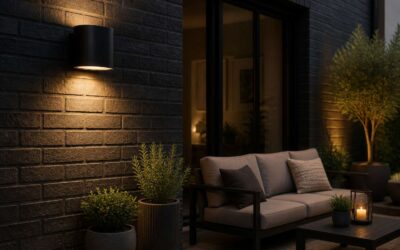
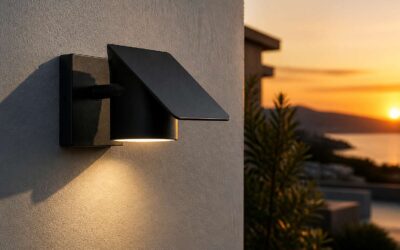
Studies show a well-lit facade boosts perceived value by up to 28% after sunset, an undeniable catalyst for curb appeal! Wall mounted lighting and sconces frame the building like a well-placed sentence. A thoughtful design elevates the entry, adds depth to stone and timber, and guides the eye along architectural cues. An outdoor light placed at facade height becomes a sculptural detail as reliable as it is beautiful. For South African exteriors, warm 2700K–3000K tones invite conversation rather than glare, with bronze or stainless finishes that weather gracefully.
- Wall-mounted lanterns with antique or contemporary profiles
- Sconces that wash light upward and downward to reveal textures
- Minimalist rectangular wall washers for subtle drama
- Statement lanterns at entry points to anchor the facade
Durability matters in South Africa, with weatherproof finishes and IP ratings above 44 ensuring these fittings endure coastal winds and dust while preserving their character.
Accent lighting for architecture and landscaping
When the outdoor light finds the façade after sunset, textures wake and lines soften into sculpture. Accent lighting for architecture and landscaping does more than illuminate; it reveals form, creates atmosphere, and draws the eye to cherished details—stone grain, timber joins, and architectural cues that daylight never fully tells!
- Uplights that sculpt architectural mass from below
- Grazing lights that skim walls to reveal texture
- Wall washers for even, subtle emphasis of planes
- Bollard and stake fixtures that carve safe, inviting paths
For South African exteriors, weatherproof finishes and IP ratings such as IP44 or higher ensure endurance against coastal winds and dust. Bronze and stainless options weather gracefully, turning every evening into a quiet celebration of place. The right balance of contrast and softness invites conversation and memories to linger.
Pole and bollard lights for driveways and gardens
In South Africa, a well-timed outdoor light can lift curb appeal by up to 20%, turning a dark approach into a welcoming promenade and revealing the day’s last textures.
Pole and bollard lights line driveways and garden paths with steady, downward casts that guide feet and emphasize edges. Opt for weatherproof finishes—bronze, stainless, or powder-coated aluminum—paired with LED for energy efficiency and long life.
- Height options: 60–90 cm to cast from face level
- Beam control: narrow for paths, wider for forecourts
- Finishes: bronze, stainless, powder-coated
- Power choices: wired LED or solar with timers
In this way, the space becomes a stage for quiet conversations and late-night memories, as the glow guards steps and invites lingering smiles.
Planning a Complete Outdoor Lighting Design
Space assessment and lighting zones
In South Africa’s twilight, outdoor light is more than visibility—it’s invitation. A well-crafted plan turns yards into living rooms and courtyards into stages where memory gathers under a generous sky. When space is read with nuance, curb appeal sharpens and safety feels inevitable, with textures revealed and paths gently lit.
Begin with a space assessment that reads the land as a living map—note wind, shade, and how paths flow. Then carve lighting zones to preserve rhythm:
- Ambient zones for conversation and atmosphere
- Task zones for cooking, work, and entertainment
- Safety and display zones along thresholds and borders
With care, the complete outdoor light plan becomes architecture—elegant, efficient, and quietly aspirational, inviting evenings to linger with grace and resilience.
Highlighting focal points and features
Planning a complete outdoor lighting design begins with a nocturnal inventory: map the land, read the wind, note shade, and watch paths as they wander. Let focal points breathe—a sculpture, a water feature, or a venerable tree—as beacons that invite the eye and memory to linger. Features such as textured walls, steps, and architectural planes deserve their own halo, not glare. The aim is to carve depth and drama through the rhythm of outdoor light, preserving mystery while guiding footsteps.
In South Africa, dusk becomes a stage for homes that endure heat and hold memory under a velvet sky. Layer thoughtfully: thresholds, views, and gardens become scenes in a careful arc of light—soft, precise, and endlessly welcoming.
- Focal points: gentle halos.
- Texture and contrast: reveal surfaces.
- Pathways: guide with warm, outdoor light.
Layered lighting strategies for function and atmosphere
Evening reveals a home’s truth, and a considered outdoor light sharpens that truth. Layered design allows soft ambient glows, precise task beams, and selective accents to breathe together. As one designer said, ‘the night is a stage; let the light listen and the eye linger.’ I’ve learned that when light is respectful, spaces breathe with memory, and the garden becomes a quiet theatre for reflection.
- Ambient wash that caresses surfaces with even, low-profile glow.
- Task lighting at thresholds and pathways to carve safe circulation without glare.
- Accent lighting that serenades focal points—sculpture, water features, or venerable trees.
With this layered approach, the outdoor light becomes a soft tutor rather than a spotlight tyrant, guiding footsteps while preserving dusk’s mystery. When the balance lands, South African evenings reveal textures and horizon lines in new ways, and the home feels both anchored and buoyant.
Budgeting, timelines, and maintenance planning
Evenings in a South African garden are a currency you spend wisely. A striking stat shows homes with a thoughtful outdoor light plan enjoy up to 40% more usable hours after sunset, turning quiet corners into conversations with the dusk. “Light is a patient guide,” says a seasoned designer.
Budget planning frames the dream with three gentle rings: capital for fixtures and wiring, lifecycle costs for bulbs and drivers, and a maintenance reserve for weathered fittings. The outdoor light story benefits from clarity on costs.
- fixtures and fittings suitable for SA climates
- controls, dimmers, and automation for efficiency
- cabling, trenching, and weather protection
- permits, inspections, and warranties
- maintenance contracts and spare parts stock
A realistic timeline listens to the seasons—design, procurement, installation, and evaluation. Build in a contingency and a yearly maintenance cadence to safeguard glow and colors of landscape textures. This rhythm keeps the outdoor light vibrant without drama.
Energy Efficiency and Smart Control
Understanding LED fundamentals and efficiency benefits
LEDs have rewritten the script for outdoor light: they sip power rather than guzzle it, delivering up to 80% energy savings and far less heat. Grasping LED fundamentals—diodes, directional output, and robust heat management—lets you brighten where it matters without burning through budgets or the night air. Subtle, efficient, elegant.
- Lower power draw, less waste
- Directional lighting reduces spill
- Efficient drivers and long life
- Smart controls: timers, dimming, motion sensing
Smart control takes it further: timer, dimming, and motion sensing tailor illumination to use and mood, while telemetry flags maintenance needs. For outdoor light in South Africa, this means reliable lighting that respects load shedding and local aesthetics.
Choosing between solar, wired, and battery options
In a land where dusk concedes nothing and load shedding shadows the street, energy efficiency becomes a quiet vow. Smart control—timers, dimming, motion sensing—tightens the night to precise silhouettes and guards every watt!
Choose between solar, wired, and battery options for outdoor light; each offers a different promise of reliability and mood.
- Solar: daylight harvesting and off-grid resilience
- Wired: steady power for large zones
- Battery: energy ready for evenings and outages
In South Africa, this triad of care—efficient drivers, directional output, and adaptive controls—transforms risk into rhythm; we crave a night that stays safe, dignified, and elegant.
Smart controls, automation, and scheduling
A single outdoor light can turn a shadowed yard into a stage for safety and style. In South Africa, where load shedding can darken streets, the right outdoor light becomes a quiet vow to resilience, efficiency, and legibility after dusk. It’s not about brightness alone but about controlled warmth that respects space and rhythm. I’ve seen how a single outdoor light can transform a yard from wary to welcoming!
Energy efficiency and smart control redefine how we experience the night. Smart controls and automation let lighting align with the clock, the weather, and footsteps—so illumination never overshadows architecture or drains the wallet. Whether solar, wired, or battery-backed, an outdoor light system glows only when needed, preserving mood while guarding every watt.
- Adaptive timers that match sunrise and sunset without guesswork
- Motion sensing for paths and entryways, delivering light where you walk
- Adaptive dimming to maintain ambiance while extending component life
Color temperature and dimming for comfort and safety
The right blend of color temperature and dimming can turn a shadowed yard into a confident, safe stage after dusk. In South Africa, load shedding redraws the night, and smart control ensures the night lights up only where and when it’s needed, preserving mood and savings. The goal isn’t blinding brightness but comfortable warmth and legibility—a soft guide that respects space and rhythm!
For the outdoor light, a few tuned details matter:
- Color temperature calibrated to warm tones (around 2700–3000K) for inviting evenings and clear step visibility
- Adaptive dimming that preserves atmosphere while extending lamp life
- Motion-aware activation for paths and entryways, so light appears with your steps
With these elements, energy efficiency and smart control coalesce into a seamless nightscape that feels both practical and alive.

0 Comments