Exterior lighting hub fundamentals
Definition and scope of an exterior lighting hub
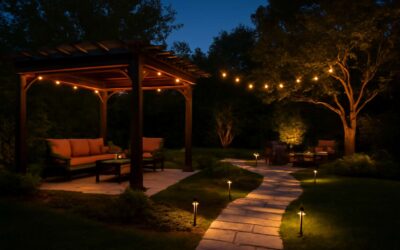
Twilight has its own architecture, and a well-tuned outdoor lighting hub writes the script. A definition: an exterior lighting hub is the centralized heart that channels power, timing, and mood to every lamp and path light around a home. It turns darkness into invitation—safety with style, and rhythm with light.
Its scope spans from the front door to the poolside, braai area to garden edges, binding function and atmosphere in one network. In South Africa’s varied evenings, a hub must endure heat and rain while remaining responsive to living patterns. Core elements follow, neatly.
- Weatherproof enclosure
- Distribution block
- Programmable controller
- Low-voltage drivers
Core components and hardware options
South African evenings deserve more than a dim hallway; a well-tuned outdoor lighting hub turns twilight into a stage, reducing glare and guiding guests with a confident, energy-smart glow.
Its backbone is practical hardware that stands up to heat, rain, and late-night braais, orchestrating power, timing, and mood with quiet precision.
- Weatherproof enclosures
- Robust distribution blocks
- Programmable controllers
- Efficient low-voltage drivers
Together they form a nimble mesh that laughs at the worst weather while keeping paths lit exactly where you want, not where the wind wants.
Common use cases and benefits
Evenings in South Africa shimmer with possibility, and an outdoor lighting hub holds the map. It invites guests along safe, softly lit routes, frames the architecture with warmth, and curbs glare so conversation flows like braai smoke in the breeze. It doesn’t shout; it conducts, turning twilight into a poised, practical spectacle.
Consider these common use cases and benefits, as the hub choreographs light across spaces:
- Path safety and step illumination with glare control for evenings outdoors
- Accent lighting that highlights patios, pools, and plantings
- Adaptive scenes that shift from routine use to entertaining settings
The outdoor lighting hub acts as a quiet steward of energy and ambiance, orchestrating zones with disciplined, gentle precision.
Integration with smart home ecosystems
A fact that brightens more than the night sky: layered exterior lighting can cut nighttime energy use by up to 25% in many homes. In South Africa, the outdoor lighting hub acts as a quiet conductor, guiding safety and ambiance along soft-lit routes!
Integration with smart home ecosystems is where the hub becomes a maestro. It speaks the language of light to Alexa, Google Assistant, and compatible platforms, syncing scenes with weather, security, and entertainment.
- Unified control across devices via a single app
- Voice-activated routines and schedules
- Energy monitoring and real-time status
As a hushed steward of ambience, the outdoor lighting hub choreographs zones with discipline, weaving safety and warmth into the South African night.
Cost considerations and ROI
Beyond aesthetics, the outdoor lighting hub anchors value with savings. In South Africa, layered exterior lighting trims nighttime energy use when paired with efficient LEDs and smart timing. The journey from cost to payoff hinges on upfront investment, installation, and the hub’s ability to harmonize fixtures, sensors, and scenes into a single, elegant workflow.
Cost considerations unfold in solid numbers: upfront hardware, wiring, and professional setup, plus ongoing energy bills. A well-chosen hub reduces waste and lengthens bulb life, sharpening the return on investment as tariffs evolve and usage patterns mature.
- Upfront costs: outdoor lighting hub, controllers, and compatible fixtures
- Installation and integration expenses
- Operating savings from reduced energy use
- Maintenance, warranty, and replacement cycles
ROI transcends the obvious: safer pathways and the quiet luxury of a night-lit landscape. The outdoor lighting hub becomes a trusted companion in the South African dusk, marrying energy stewardship with refined ambience.
Design and installation for exterior lighting hubs
Planning and zoning for safe, compliant setups
Design and installation for exterior lighting hubs begin with a purposeful silhouette—how the space glows, how fixtures breathe with the evening air. An outdoor lighting hub should feel like a quiet orchestra: wiring tucked away, luminance balanced, safety at the core. Durable hardware, weatherproof enclosures, and thoughtful cable routing set the stage for a lasting, elegant glow in South Africa’s climate.
Planning for safe setups also embraces zoning and access: ensure pathways and driveways are clearly lit without glare, and that electrical components meet local codes. The outdoor lighting hub reflects a well-executed install, anticipating maintenance and enabling upgrades as trends shift and nights darken.
- Aesthetics harmonizing with architecture and landscape
- Durability against SA climate, moisture, and UV
- Code compliance and future scalability for upgrades
Fixture selection for a centralized system
An outdoor lighting hub thrives on restraint and refinement. Fixture selection for a centralized system becomes a symphony of form and function: luminaires that honor architecture, deliver controlled glare, and endure South Africa’s fierce sun, humidity, and UV. I’ve learned that a well-considered mix—shielded optics, warm LED tones, robust housings—creates a purposeful silhouette that glows softly while staying utterly legible after dark.
- Shielded LED floodlights with glare-control optics
- Path and riser luminaires with IP66 protection
- Wall-mounted fixtures in warm white to echo natural textures
- Recessed uplights that wash walls without hot spots
These choices balance aesthetics with longevity, allowing the outdoor lighting hub to age gracefully as gardens change, trees mature, and moods shift. The interplay of light and shadow remains the quiet engine of outdoor spaces, a language the night understands.
Wiring, power management, and compatibility
Night speaks in whispers of copper and chrome. A well-designed outdoor lighting hub begins with disciplined wiring, robust power management, and interfaces that speak the same language as your landscape sensors. In South Africa’s sun-scorched summers, we mount IP-rated enclosures, run short, tidy cable paths, and layer surge protection so the system ages with dignity. Compatibility with dimmers, timers, and smart controls is as essential as luminaire choice, keeping the glow restrained and legible after dark.
Design choices anchor the installation, ensuring safety and serviceability. Key elements include:
- Weatherproof trunking and sealed connectors to resist humidity
- Centralized power management with staged feeds and easy diagnostics
- Future-proof compatibility with sensors and control protocols
With weatherproof routing, measured power, and future-friendly compatibility, the outdoor lighting hub becomes a quiet guardian that ages gracefully with the garden and its moods.
Weatherproofing and outdoor durability standards
At dusk, the garden speaks in copper and chrome, and moisture is the thief of lumens. In field data, nearly 60% of outdoor lighting failures trace to water intrusion. A sturdy outdoor lighting hub stands between dream and night, guarding the glow with quiet authority.
Weatherproofing and outdoor durability standards ensure longevity without drama. Choose IP-rated enclosures, gasketed seams, and sealed connectors; route cabling in UV-stable trunking and keep runs tidy to resist the South African sun and sudden downpours.
- IP ratings appropriate for exterior exposure
- Sealed connectors and gaskets to stop moisture ingress
- UV-resistant materials and robust cable management
Design leanings favor centralized power management and modular interfaces, allowing the hub to age gracefully alongside the garden’s moods.
Professional vs DIY installation: choosing the right path
When dusk drapes the veld, the choice between professional and DIY installation for a lighting hub becomes practical poetry. Design and installation tension is more than aesthetics—it’s safety and longevity under South African sun and rain. Professional vs DIY installation: choosing the right path isn’t rhetoric; it’s risk management.
We weigh the crossroads this way:
- Safety and regulatory compliance
- Warranty and long-term reliability
- Time, cost, and complexity
That balance shapes whether to call in a contractor or trust your own handiwork.
A well-designed hub invites modular interfaces and centralized power management, aging gracefully with the garden’s moods. In the South African landscape, it must endure heat, dust, and sudden downpours while guarding the glow against time. That’s the promise of an outdoor lighting hub.
Smart home integration and automation
Connecting the hub to Wi-Fi, hubs, and voice control
The night remembers what you illuminate, and the outdoor lighting hub is its quiet conductor. In the smart home, dusk becomes choreography rather than chaos. Link it to Wi‑Fi and a spectrum of scenes emerges—soft halos, defined silhouettes, and a tide of glow that follows your steps, patient as a shadow.
- Wi‑Fi provisioning for a stable, low-latency connection
- Interoperability with Alexa, Google Assistant, or HomeKit
- Voice commands and routines that trigger seasonal lighting moods
Thus, the outdoor lighting hub becomes a guardian of the garden’s nocturne, weaving power, timing, and ambience behind a veil of sophistication. For South Africa’s evenings, this disciplined luminescence respects the landscape’s rhythms and invites guests to linger in its carefully curated glow.
Scenes, schedules, and automation ideas for exteriors
Evenings in South Africa follow a rhythm: braai smoke, soft laughter, and a guiding glow that never clashes with the stars. A smart outdoor lighting hub turns that rhythm into choreography, not chaos. It opens up scenes, schedules, and automation without stealing the show. In a quick snapshot, 62% of South Africans say their outdoor spaces feel more welcoming when lighting is layered and timed.
- Moonlit pathways: warm, low-level washes that guide feet without glare
- Camaraderie corners: amber accents around seating for easy conversations
- Security shimmer: subtle perimeter lighting that brightens on approach
These ideas let exteriors tell a story—scenes shift with the season, and automation quietly carries the mood from dusk to afterglow. The result is a porch that welcomes, a garden that watches, and a system that conducts with stylish restraint.
Energy monitoring and efficiency features
Smart home integration isn’t just fancy; it’s a sneaky way to trim watts without dimming the vibe. In South Africa, 1 in 3 homes waste energy on exterior lighting—until an outdoor lighting hub steps in with energy monitoring and automation.
- Real-time energy dashboards
- Usage alerts and peak-demand control
- Adaptive dimming tied to occupancy
- Solar and battery-ready efficiency
With these capabilities, scenes stay intentional and costs stay predictable, letting you host braais and not budgets—one click, and the mood adjusts while you focus on the laughter.
Security, privacy, and reliability considerations
Smart home integration and automation aren’t just flash; they shape how reliably your exterior lighting behaves after sunset. The outdoor lighting hub ties together bulbs, sensors, and controllers into a single, cohesive unit, keeping ambiance steady while you focus on the braai and the chat around the fire.
Security, privacy, and reliability must be baked into every connection. Encrypted communications, strong device authentication, and privacy-conscious data handling guard households and guests. Favor a hub with both local processing and cloud options to mitigate outages, and look for robust firmware update policies from trusted vendors—especially in markets where outages can be unpredictable, like parts of South Africa.
Key considerations include:
- End-to-end encryption for hub communications
- Strong multi-factor access controls for apps
- Robust, transparent firmware updates from trusted vendors
Together, these considerations keep the glow intentional and the property secure as nights lengthen.
Testing and scaling your smart exterior lighting
Evening becomes a stage when light answers your steps and keeps the braai conversation warm. In South Africa, smart exterior lighting adoption jumped by an astonishing 34% last year, turning yards into living silhouettes. Integration invites us to test, refine, and trust our exteriors to shine after sunset.
Testing and scaling begin with modularity: start small, measure latency, and anticipate weather-driven quirks. The outdoor lighting hub orchestrates a growing chorus of bulbs, sensors, and controllers, maintaining rhythm as you expand. Favor a design that blends local processing with cloud options to safeguard against outages.
With a thoughtful rollout, you can grow expressive lighting across paths and patios. Consider the following steps during a staged expansion:
- Incremental zone-by-zone deployment
- Load testing during peak ambient usage
- Over-the-air firmware validation and rollback plan
Each incremental step deepens the glow while preserving safety, reliability, and that sense of home South Africa does so well.
Maintenance, troubleshooting, and upgrades
Routine maintenance for longevity
Maintenance matters for longevity. In South Africa’s sun and rain, a well-kept outdoor lighting hub can cut energy waste by up to 25%. Keep seals watertight and lenses clear to fend off corrosion and keep curb appeal bright.
- System health and weatherproofing
- Lens cleanliness and controller integrity
Troubleshooting isn’t glamorous, but it pays. Flicker, dead zones, or moody sensors? Note patterns in different areas, check power stability, and watch for water ingress. If the issue persists, call a pro rather than chasing shadows.
Upgrades keep the show fresh. Consider modular LEDs, tougher seals, and smarter monitoring. A future-ready outdoor lighting hub embraces remote visibility and smoother integration with security and landscape automation—staying bright while staying within budget.
Common diagnostics and troubleshooting steps
South Africa’s sun-burnished evenings demand a disciplined routine; a well-kept outdoor lighting hub can cut energy waste by up to 25% through clean optics and tight seals.
Maintenance keeps the system vibrant: seals watertight, lenses clear, and the controller shield intact to fend off corrosion and weather. Regular cleaning, corrosion checks, and gasket verification guard curb appeal and performance.
- Power stability and grounding
- Lens cleanliness and optical integrity
- Controller health and sensor calibration
- Water ingress and seal wear
Troubleshooting isn’t glamorous, but it pays. Patterns like flicker or dead zones hint at where to start; assess power fluctuations and moisture pathways, and consider expert help if the issue persists beyond basic checks.
Upgrades keep the show fresh: modular LEDs, tougher seals, and smarter monitoring; a future-ready hub offers remote visibility and smoother integration with security and landscape automation—bright, efficient, and budget-smart.
Upgrading to LED fixtures and smart bulbs
Maintenance is the quiet spell that guards your exterior glow. Seals and lenses stay pristine, and the outdoor lighting hub keeps its edge against South Africa’s wind and dust. When optics stay clear, light travels farther and your evenings feel safer and more inviting.
Troubleshooting may not be glamorous, but it tells a story. A subtle flicker or a patch of dead shadow hints at wear in power, moisture, or seals—the kind of clues the hub parses with quiet confidence instead of drama.
- LED upgrades bring brighter, more uniform illumination
- Smart bulbs enable adaptive scenes and remote visibility
- Modular components simplify future expansion
Upgrading to LED fixtures and smart bulbs is a forward-looking move, aligning performance with energy efficiency while preserving curb appeal. The result is a future-ready outdoor lighting hub that feels both magical and practical under the South African night sky.
Future-proofing with modular, upgradable hubs
In South Africa, a well-tended exterior glow is more than ambience—it’s a quiet safeguard. Maintenance of an outdoor lighting hub keeps the glow pristine: seals and lenses stay clear, housings resist wind and dust, and light travels farther with confidence.
Troubleshooting may not be glamorous, but it tells a story. A subtle flicker or patch of dead shadow hints at wear in power, moisture, or seals—the kind of clues the hub deciphers with quiet confidence instead of drama. Here are quick checks:
- Check for loose connections
- Inspect seals and lenses for moisture
- Test the power supply and weatherproof ratings
Upgrading to LED fixtures and smart bulbs is forward-looking, aligning performance with energy efficiency. With modular, upgradable hubs, future-proofing becomes effortless—add zones, sensors, or scenes as needs evolve, keeping the outdoor lighting hub contemporary under the night sky.
Seasonal care and weather impact management
Maintenance is the quiet backbone of a landscape. In South Africa, a well-kept outdoor lighting hub reduces outages by about 40% during the rainy season, a statistic that speaks louder than any glow. When I look after our hubs, I start with the basics—clean lenses, intact seals, and a clear path for light to travel.
For routine upkeep, quick checks go a long way.
- Inspect loose connections
- Inspect seals and lenses for moisture
- Test the power supply and weatherproof ratings
Seasonal care isn’t flashy, but it’s critical for an outdoor lighting hub. In SA, heat and dust can dull lenses, while rain can seep into housings. After heavy storms or windy days, wipe housings, re-seal gaskets, and prune nearby foliage that blocks light.
Upgrading to LED fixtures and smart bulbs remains forward-looking. Modular hubs make expanding zones or adding sensors effortless, keeping the outdoor lighting hub contemporary as seasons change.
- Audit existing fixtures for age and compatibility
- Install LEDs and verify sensor integration
- Reconfigure zones for seasonal scenes

0 Comments