European Outdoor Lighting Trends
Sustainable and energy efficient solutions
An urban study once noted that efficient lighting can trim energy use by up to 35 percent, a statistic that reads like a quiet revolution after sunset. In outdoor lighting europe, sustainability isn’t a trend—it’s a design discipline. Light becomes a responsible companion, guiding footsteps with warmth while minimizing glare and skyglow. Narrow beams, warm color temperatures, and thoughtful shielding turn sidewalks into hospitable routes rather than glaring signage!
From coastal promenades to leafy squares, the shift favors materials and controls that breathe with the seasons. The aim is a nuanced nocturnal atmosphere, not brute brightness. The pillars include:
- LED efficiency paired with precise color rendering
- Dark-sky compliant fixtures and glare control
- Smart controls with adaptive scheduling and motion sensing
For readers in South Africa, this European lineage offers a blueprint that respects heritage while embracing modern efficiency, inviting evening strolls and safe passage without waste.
Smart lighting and IoT controls across Europe
In the hush after sundown, cities hear the night differently—the glow answers with data and care. “The night finally speaks in measured lumens,” whispers an urban designer wandering the streets of Europe. Smart lighting becomes a patient, nocturnal partner, turning shadows into stories rather than mere illumination.
Across continents, IoT controls thread intelligence through urban sprawl. Adaptive scheduling, daylight-harvesting dimming, and motion sensing curate routes that feel secure yet intimate. In outdoor lighting europe, networks converse with sensors and gateways, giving each fixture a pulse and a purpose.
Consider the evolving toolbox of smart luminaires:
- Remote monitoring and fault diagnostics
- Grid-aware energy management with peak-shaving
- Seamless over-the-air updates and firmware security
For readers in South Africa, this European lineage offers a nocturnal blueprint for outdoor lighting europe—an invitation to craft atmospheres that welcome evening strolls while preserving the mystery of the night.
Public spaces and architectural lighting
I step into the hush after sundown and hear European streets whisper in hue. In outdoor lighting europe, public spaces become nocturnal galleries where architecture breathes, textures tell stories, and shadows soften into welcome.
Around plazas and promenades, the trend favors human scale and warm palettes. Sculptural forms highlight facades; wall grazing kisses stonework, while discreet pathways invite lingering rather than racing the night.
In this evolving landscape, three motifs recur across European squares and façades:
- Layered luminance guides pedestrians with subtle hierarchy.
- Selective uplighting and wall washes sculpt textures without overpowering them.
- Landscape lighting knits trees, water, and seating into intimate nocturnal moments.
South African cities can borrow this European approach, letting outdoor lighting europe become a language that welcomes evening strolls and preserves the magic of night.
Residential outdoor lighting styles across Europe
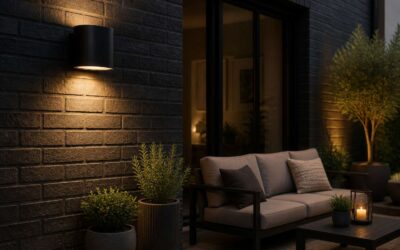
Across Europe, residential lighting writes a patient lullaby for the evening. The glow is intimate, a whisper rather than a shout, designed to reveal texture and temperament. From Lisbon’s courtyards to Helsinki’s balconies, outdoor lighting europe favors warm ambers, low profiles, and aged materials. Facades glow with wall-mounted lanterns while gardens soften edges with grazing light along stone paths. The mood welcomes lingering.
Here are motifs shaping European homes after dusk:
- Heritage lanterns on historic façades
- Wall grazing that sculpt plaster and stone
- Low-profile garden bollards along paths
- Balcony rail lighting framing the night sky
For South African terraces, these ideas translate into terracotta tones, creamy whites, and tactile textures that invite evening strolls. The ethic of outdoor lighting europe continues to inspire spaces where conversations unfold in a soft, human glow.
Cultural and historical influences on lighting design
“Light is memory made visible,” a European designer states, and the nocturnal alleys from Lisbon to Helsinki prove the point. In outdoor lighting europe, intimate glows caress façades and courtyards, revealing texture without demanding attention.
Across cultures, design draws on centuries of civic ritual and craft. Copper and brass weather to patina; warm ambers bloom along stone thresholds, and balcony rails frame silhouettes against the night. The result is a language where traditional forms mingle with modern silhouettes—an approach that respects heritage while guiding contemporary outdoor living.
Lighting Regulations and Standards in Europe
Energy efficiency regulations and schemes
The dusk in Europe is a regulated affair, and the results glow back in savings: energy-efficient retrofit programmes have delivered meaningful reductions in public lighting bills and emissions. It’s not about stealing daylight; it’s about choreographing it. In this landscape, outdoor lighting europe tends toward LED luminaires, glare control, and smarter control schemes that respect both architecture and the night sky.
Key regulatory touchpoints shape this evolution:
- Ecodesign (ErP) regulations that tighten efficiency requirements for luminaires
- Energy labeling to guide procurement toward lower operating costs
- CE marking for electrical equipment ensuring baseline safety and performance
- EN 13201 road and area lighting standards aligning luminance, uniformity, and glare
With public procurement nudging buyers toward durable, dimmable solutions, European schemes influence how outdoor lighting europe is designed, installed, and maintained, even from a South African vantage point.
EU lighting standards and certifications
European lighting policy has the elegance of a well-timed recital—efficient, regulated, and a touch theatrical. Public retrofit programs slash energy bills by up to 40% in some cities, proving that bright streets can be thrifty and night-friendly at once.
EU lighting standards and certifications anchor Outdoor Lighting Europe, guiding procurement, installation, and ongoing maintenance. From a South African vantage point, I see these rules still ripple across oceans, shaping expectations for outdoor lighting europe—safety, efficiency, and design. Key touchpoints include:
- Ecodesign (ErP) regulations tighten luminaire efficiency
- Energy labeling steers buyers toward lower operating costs
- CE marking ensures baseline safety and performance
- EN 13201 road and area lighting standards align luminance, uniformity, glare
Local planning and heritage guidelines
Night design meets policy in Europe where local planning and heritage guidelines sculpt every streetlight like a careful brushstroke on an ancient façade. Longstanding conservation areas demand shielding and precise luminaire aiming to preserve monuments while guiding pedestrians with warmth and respect.
Across towns, the rules often manifest as practical requirements:
- Shielded luminaires to reduce skyglow and protect nocturnal fauna
- Height and spacing limits to maintain architectural silhouettes and visual harmony
- Dark-sky commitments and heritage-charter alignment that prioritizes comfort over glare
In the South African vantage point, these European frameworks reveal how night is designed, not merely lit, turning public spaces into legible theatre that respects history while staying efficient. The overarching aim remains safety, energy balance, and a reverence for the night sky—an ethos that travels well when evaluating outdoor lighting europe.
Compliance for commercial outdoor lighting
Across Europe, commercial outdoor lighting is a disciplined art—lighting that guides, informs, and respects the night. Shielded, well-directed beams have cut street glare by up to 40% in pilot zones, proving safer walks and quieter skies. outdoor lighting europe embodies governance as much as glow.
Compliance rests on transparent photometric data, credible certifications, and shielding that curbs skyglow and glare. Authorities require fixtures that balance safety with wildlife-friendly design, durability, and predictable performance in all seasons.
For South Africa buyers, European standards offer a global language. Seek thorough test reports, solid warranties, and service commitments that ensure cross-border compatibility and long-term value in outdoor lighting europe projects.
Landscape and Architectural Lighting Techniques
Facade lighting principles
Across Europe, the most memorable buildings after dark invite the eye with quiet power. In outdoor lighting europe, façade lighting principles shape how spaces breathe at night, and ambience can rise by as much as 30%.
Landscape and architectural lighting thrives on texture, rhythm, and restraint. A carefully placed glow can sculpt planes without overpowering them. Consider the core techniques:
- Grazing light to reveal texture
- Balanced uplight for architectural dignity
- Layered color temperature for mood
- Shadow-gap framing for silhouettes
In practice, facade lighting respects material honesty and the building’s story, translating daylight cues into night-time poetry. Weather, maintenance, and energy dynamics inform every choice in outdoor lighting europe.
From Johannesburg to Copenhagen, light travels as a shared instinct: sculpt identity without shouting. The European approach reverberates locally, enriching outdoor lighting europe.
Garden and pathway illumination
Across the night-silence of stone and soil, outdoor lighting europe reveals a garden as a living sculpture. Light is not glare but whisper—a way to trace borders, blossom, and the path itself. In this realm, lighting becomes weather-proof poetry, shaping space without shouting and inviting a slow, contemplative stroll.
In practice, a few decisive moves transform a garden into a nocturnal sculpture:
- Low-profile path lighting to define routes with a soft, amber glow
- Step lighting that evidences each ascent with subtle, shadowed rhythm
- Boundary bollards and planting-edge accents guard edges while fading into the landscape
Weather and maintenance whisper about choice: fixtures must endure wind and rain. outdoor lighting europe whispers its creed—restraint and reverence guiding every flicker, a nocturnal narrative that travels from Europe into South Africa’s gardens, shaping identity with quiet gravity rather than loudness.
Pollution and dark-sky considerations
Landscape and architectural lighting techniques drift like wind across stone, brick, and glass, turning structures into nocturnal sculptures. In outdoor lighting europe, a well-placed glow traces façades, courtyards, and garden edges with restraint, guiding the eye without glare. Pollution and dark-sky considerations temper ambition, nudging designers toward shielded luminaires, low contrasts, and star-friendly silhouettes. The result is architecture that speaks softly to the night and invites contemplative wandering.
- Shielded luminaires that minimize upward emission and skyglow
- Warm color temperatures and high CRI to preserve mood
- Precise beam control and appropriate mounting heights
African skies respond to European discipline with a local grace, where SA landscapes meet the same reverence for darkness. outdoor lighting europe thus travels with a quiet gravity, threading promenades and courtyards into a nightscape that feels both distant and intimately human.
Color temperature and CRI choices
Light is a quiet sculptor, turning stone, brick, and glass into nocturnal figures. In outdoor lighting europe, color temperature and CRI decide the mood as carefully as a tailor trims a silhouette. For façades, 2700K–3000K warmth caresses stone and timber, while 3000K–3500K sustains a refined daylight feel without harsh glare. A high CRI, around 90 or more, preserves true hues in brick and foliage, letting colour linger after sunset. Careful optics keep skylines from washing out and allow architecture to speak softly.
African skies respond to European discipline with local grace, with South African landscapes meeting the same reverence for darkness. Night becomes a stage for promenades and courtyards, where light threads textures—stone, timber, and foliage—without shouting. The result is a nightscape that reads clearly from afar while inviting a closer, contemplative stroll.
Choosing Outdoor Lighting in Europe by Region
Nordic and Northern Europe climate considerations
In Europe, outdoor lighting europe markets grew by 7% last year, and I watch quiet facades become legible narratives, night-time streets reimagined with patient illumination.
Nordic and Northern Europe demand fixtures that endure frost, snow, and the long polar nights. Frost-rated seals, robust IP ratings, and heat-dissipating drivers turn harsh weather into quiet reliability.
- Frost resistance and snow-load tolerance
- Corrosion-resistant, powder-coated finishes
- Wind-secure mounting for exposed ridges and coastlines
From a designer’s bench, Nordic nuance values discipline: restraint, composition, and shadow as texture. For readers in South Africa, that same discipline translates into durable, comforting light that respects the horizon rather than conquering it.
Southern Europe and Mediterranean applications
In Europe, outdoor lighting europe markets grew by 7% last year, turning quiet facades into legible night-narratives and giving coastal towns a glow-up that doesn’t quit at midnight.
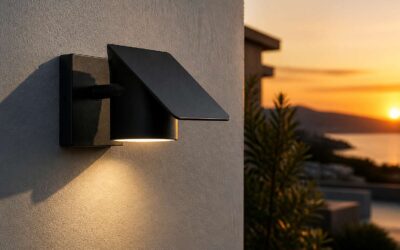
Southern Europe and the Mediterranean favor light that is warm, forgiving, and grape-hrove-friendly—think terracotta tones, stone textures, and terraces that smile at sunset. For South African readers, that translates into durable, sun-ready fixtures that deliver comfortable ambience without overpowering historic silhouettes.
- Coastal and harbour towns demand corrosion-resistant, powder-coated finishes to survive salt spray.
- Warm color temperatures and nuanced dimming preserve terrace dining rituals after sundown.
- Glare control and targeted zoning keep heritage façades legible without blasting away the stars.
In this region, practical elegance meets Mediterranean temperament—proof that good lighting can be as convivial as a sunset over the Aegean.
Central and Eastern Europe integration with urban design
Central and Eastern Europe are rewriting their nightscapes by weaving light into urban design—historic boulevards, riverfronts, and busy transit hubs become legible narratives after dark. Thoughtful scale and warm diffusion draw pedestrians along promenades without overpowering façades, while smart zoning keeps retail and cultural districts inviting well into the evening. This is the art of outdoor lighting europe, where function and atmosphere walk hand in hand!
- Respect historic street widths and building heights.
- Layer light to guide pedestrians and emphasize textures.
- Forge public-private maintenance plans to sustain glow.
Together, these choices harmonize with urban design goals, yielding vibrant but respectful streets.
Budget planning and supplier selection in Europe
Across Europe, the night writes its own budget story. Cities balance climate, heritage, and maintenance to turn streets into legible, inviting narratives after dark. For South African clients eyeing European suppliers, outdoor lighting europe signals a design language where durability meets warmth and atmosphere.
Budget planning and supplier selection across Europe unfold as a regional dialogue—value, warranty, and service shape the outcome more than price alone.
- Northern Europe: durable, corrosion-resistant fixtures
- Southern Europe: warm diffusion, coastal-ready materials
- Central Europe: heritage-aware design, modular systems
From a South African desk, European craftsmanship reads as a trusted partner—efficient, stylish, and built to travel. The result is a nightscape that invites footfall, conversation, and safe passage, without shouting.
Case studies and regional examples
Europe’s night is a storyboard, and choosing outdoor lighting europe by region writes the city’s verse. When streets align climate, culture and care, energy use can drop—comfort and clarity flourish. Northern routes endure wind and salt; southern lanes glow with warm diffusion; central towns honor heritage while modern silhouettes emerge.
- Oslo’s harbor line uses weatherproof finishes and smart dimming to endure salt spray and long winters.
- Lisbon’s riverside strolls favor warm amber tones that soften stone and invite lingering conversations.
- Prague’s historic quays balance careful upgrades with respect for ancient façades, enabling future-proof updates.
From a South African vantage, these regional silhouettes become a trusted lexicon—crafted to travel, shared with European partners, and turning the night into legible, inviting space!


0 Comments