Planning a Non-Electric Outdoor Lighting Setup | Solar-Powered and Passive Lighting Options for Outdoor Spaces | Installation Tricks and Safety for Power-Free Outdoor Lighting | Design and Atmosphere: Aesthetics of Non-Electric Outdoor Lighting
Planning a Non-Electric Outdoor Lighting Setup – Understand goals and zones
Twilight in a South African garden invites a planning ritual: outdoor light without electricity is less about glare and more about mood. Goals are mapped and zones defined—approach, lounge, and corners—so light serves story rather than brightness. Shadows should linger where you want them!
Consider these options, solar-powered and passive, that respect the night and the wind:
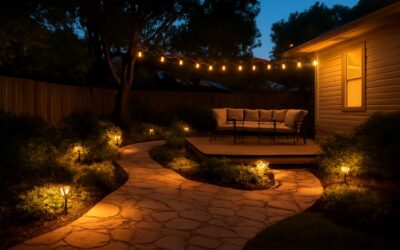
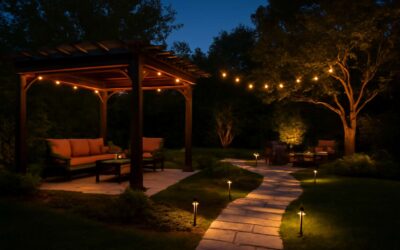
- Solar-powered path lights along walkways to guide footsteps with soft, sun-charged glimmer
- Reflective surfaces and light-colored stones that bounce the moon and create depth
- Candle or lantern accents placed in wind-sheltered nooks for intimate corners
Installation wisdom whispers that safety threads through every anchor and fit, with weatherproofing treated as a quiet ritual and fire risks faced with sober restraint. Shadows answer the wind when the night is vigilant, and it is patience and planning that keep the space serene.
Planning a Non-Electric Outdoor Lighting Setup – Choose power-free light sources
Evening in a South African garden is a ritual; lighting should cradle the night, not shout. Designers note that 70% of outdoor gatherings happen after dusk, a reminder that atmosphere trumps glare. This is outdoor light without electricity—shadows telling stories as the wind keeps time.
Plan around solar-powered and passive options that respect local conditions. Choose durable materials and textures that catch moonlight without competing with it.
- perimeter lanterns that remain stable in breeze
- stone and tile surfaces that reflect moonlight
- votives tucked in wind-sheltered corners
Safe, low-interference placement matters as much as the fixtures themselves. Anchoring, weatherproofing, and a sober approach to fire risks keep the space calm and predictable.
Design and atmosphere—these are the true tests of power-free lighting. A thoughtful palette of warm tones, honest textures, and restrained brightness makes the space feel rooted in place.
Planning a Non-Electric Outdoor Lighting Setup – Plan layout and focal points
In South Africa, 70% of outdoor gatherings happen after dusk, and the glow around a garden is as political as the seats you choose. A calm, deliberate atmosphere makes conversations linger and neighbors notice the details!
Planning around solar-powered and passive options aligns with the land—sunrise energy by day, moonlit silhouettes by night. outdoor light without electricity thrives on constellations of candle-safe, heat-resistant fixtures, stone and tile surfaces that reflect the night, and wind-aware placements.
Installation tricks and safety for power-free spaces hinge on restraint, weatherproofing, and a sober approach to fire risk. Keep paths legible, anchors discreet, and avoid glare that disrupts the evening’s hush.
Design and atmosphere: aesthetics of non-electric lighting. A palette of warm tones, honest textures, and measured brightness root spaces in place and invite lingering conversations instead of shouting at the night.
Planning a Non-Electric Outdoor Lighting Setup – Budgeting and timeline
Twilight spills over South Africa’s gardens, turning fences into silhouettes and conversations into shared rituals. An outdoor light without electricity can transform a quiet space into a gathering ground, where subtle glow guides ideas, not nerves.
Budgeting and timeline set the rhythm. Choose solar-powered options and passive lighting, plotting a phased installation that respects seasonal sun and shower patterns. Plan for maintenance cycles, battery health, and seasonal re-lighting so the glow remains dependable.
- Assess sun exposure across the site
- Select durable, heat-resistant fixtures
- Schedule a phased installation calendar
Installation tricks and safety for power-free spaces hinge on restraint and weatherproofing. Place lanterns where wind will not topple them, keep paths legible, and minimize glare to preserve the hush of a moonlit evening.
Design and atmosphere: the aesthetics of non-electric lighting hinge on warm tones, honest textures, and measured brightness. When spaces stay grounded in place, conversations stretch longer, and neighbors notice the care poured into every glow.
Planning a Non-Electric Outdoor Lighting Setup – Weatherproofing and durability
A well-tended outdoor light without electricity can turn a quiet corner into a living story. In South Africa, dusk becomes a stage where copper and shadow mingle, inviting conversation to linger. A designer once said, ‘Light is poetry you can walk through,’ and that lyric guides every lantern I place.
Solar-powered and passive lighting options keep the glow gentle and lasting.
- Solar-powered lanterns and path lights
- Passive cues such as reflective stones and plant glow
Installation tricks and safety for power-free spaces hinge on restraint and weatherproofing.
Place lanterns where wind won’t topple them, keep paths legible, and minimize glare.
- Anchor bases and corrosion-resistant fittings
- Seal connections and weatherproof housings
Design and atmosphere: the aesthetics of non-electric lighting hinge on warm tones, honest textures, and measured brightness. Weatherproofing and durability allow the glow to travel through seasons, keeping gatherings intimate rather than electric interruptions.
Solar-Powered and Passive Lighting Options – Solar lanterns and LED alternatives
South Africa’s dusks are legendary—copper shadows pour out and conversation finds the shadows. A garden with outdoor light without electricity turns that magic into an artful habit, not a request for a generator. Start with a plan that respects sightlines, safety, and storytelling; you want the space to breathe as the sun sinks.
Solar-powered lanterns and LED stand-ins sip the daylight and drift into luminescence, while passive cues—reflective stones catching a stray beam, and plant glow from tucked-up lighting—keep pathways legible and mood soft.
Installation and safety come down to restraint and weatherproofing. Let wind, rain, and glare shape the final placements; opt for durable materials and robust housings. With outdoor light without electricity, weatherproofing is a quiet non-negotiable—an unseen contract with the night.
Design and atmosphere: warm tones, honest textures, and measured brightness cue intimacy. The glow travels through seasons, keeping gatherings gentle and real, free from electric interruptions.
Solar-Powered and Passive Lighting Options – Harvesting solar energy effectively
Across South Africa, dusk unfurls like a copper ribbon, and a growing survey shows a 38% uptick in homes embracing solar- and passive-lighting approaches. The result is practical poetry—the garden lives after sunset without shouting for power.
Planning a non-electric setup requires respect for sightlines, safety, and storytelling; let the space breathe as the sun sinks. The outdoor light without electricity invites pathways to stay legible while mood stays intimate.
Consider these natural placements that flow with the landscape:
- weatherproof fittings that shrug off wind and rain
- surface reflectors and stone paths catching stray beams
- tucked plant-lights that hint at edges without glare
Design and atmosphere rely on warm tones, honest textures, and measured brightness. The season-to-season glow remains gentle, guiding gatherings with a quiet grace that feels true to the land—and ready for any night in South Africa.
Solar-Powered and Passive Lighting Options – Placement strategies for sun exposure
Across South Africa, dusk arrives with a new spell: a 38% uptick in homes embracing solar- and passive-lighting approaches. This wave proves that outdoor light without electricity can bloom—a quiet, shimmering poetry that lets gardens live after dark without shouting for power!
Consider these design impulses:
- soft ambient glow that never competes with the stars
- earthy materials and textures that breathe with the landscape
- indirect pathways and seating corners that stay legible at dusk
Tricks and safety lean toward restraint: prioritize sightlines, minimize glare, and select fixtures rated for outdoor use. Weatherproof fittings, thoughtful reflections off stone, and clear pathways keep the night calm and safe.
Warm tones, honest textures, and measured brightness shape a season-to-season glow that greets gatherings with quiet grace. The outdoor light without electricity becomes a storyteller, guiding wandering feet as South Africa’s evenings drift toward star-filled skies.
Solar-Powered and Passive Lighting Options – Durability and weather considerations
Dusk in South Africa reshapes evenings. A 38% uptick in homes embracing outdoor light without electricity hints at a quiet rebellion against glare and chaos—lighting that honors stars and garden whispers.
I prize a soft ambient glow that never competes with constellations, paired with earthy materials—stone, timber, and clay—that breathe with the landscape. Indirect paths keep edges legible as dusk deepens.
Installation tricks and safety—prioritize sightlines, minimize glare, and choose outdoor-rated fittings. Consider these:
- Prioritize sightlines to keep routes obvious.
- Shield light sources to reduce glare and fatigue.
- Choose weatherproof materials built for sun and rain.
Durability and weather guide a season-to-season glow. Warm tones and honest textures temper brightness, while durable finishes weather Cape rain and heat—keeping the ambiance steady, graceful, and quietly confident.
Solar-Powered and Passive Lighting Options – Cost and maintenance
In South Africa, a 38% uptick in homes choosing outdoor light without electricity signals a gentler approach to evenings—more stars, fewer glare. This trend champions subtle ambient glow that dances with the garden rather than dominating it. It’s about keeping space usable after sunset while feeling anchored to the land!
Design focuses on rhythm and restraint. The glow travels along indirect paths, softening edges, while textures of stone, timber, and clay subtly reflect dusk. Color temperature leans warm, never harsh, so the garden breathes and the constellations stay legible.
Installation and safety unfold as a quiet ritual: preserve sightlines, shield sources to cut fatigue, and select outdoor-rated fittings that stand up to Cape rains and heat.
Cost and maintenance balance long-term value; solar-powered options minimize bills, while cleaning of panels and seals protects performance. This is design with a conscience—functional, forgiving, and always ready to greet night with grace.
Installation Tricks and Safety for Power-Free Outdoor Lighting – Placement guidelines for safe paths
In South Africa, 38% of homes now opt for outdoor light without electricity, a shift toward evenings with gentler glow. Planning values rhythm and restraint, letting the garden breathe after sunset.
Solar-powered and passive options deliver soft amber warmth without glare—lanterns along walls, low masonry uplights, and LEDs tucked into planting beds.
- Indirect paths to keep edges soft
- Shield sources to reduce glare
- Choose outdoor-rated fittings for weather
Installation and safety stay a quiet ritual: preserve sightlines, protect from Cape rains, and select fittings built for power-free use.
Design and atmosphere lean warm, with textures of stone, timber, and clay catching dusk while the garden breathes and constellations stay legible.
Installation Tricks and Safety for Power-Free Outdoor Lighting – Mounting surfaces and fixtures
In South Africa, 38% of homes now opt for outdoor light without electricity, letting dusk breathe across the property. The shift threads gentler amber through the garden, a quiet ritual where rhythm and restraint carry the night’s breath.
Solar-powered and passive options offer soft warmth without glare. I lean into these choices with a few reliable allies:
- Solar lanterns along walls
- Low masonry uplights hidden in stonework
- LEDs tucked into planting beds
Installation tricks and safety keep pace with the night: shield sources to reduce glare, keep edges indirect so you don’t scare the dark, and mount only outdoor-rated fittings built for power-free use. I respect sightlines and seasonal rains.
Design and atmosphere tilt toward warmth, textures of stone, timber, and clay catching dusk while the garden breathes and constellations stay legible. The scene holds a drama: weathered surfaces glow without shouting, and interior echoes drift outward into the evening.
Installation Tricks and Safety for Power-Free Outdoor Lighting – Cable management and moisture prevention
Across South Africa, 38% of homes opt for outdoor light without electricity, letting dusk breathe across the property. This quiet ritual turns the garden into a living tapestry where shadows become allies and stars attend the lantern-lit conversations.
Planning a non-electric setup starts with goals and zones, then weighs solar-powered and passive options to reveal paths, seating, and art without glare. Let the light trace edges and nurture focal points with gentle, natural warmth.
Installation tricks and safety focus on shielded sources, indirect edges, and outdoor-rated fittings built for power-free use. Cable management and moisture prevention keep walkways safe and fixtures enduring through rain and heat.
- Glare softened by shielding and thoughtful placement
- Invisible cable pathways blending with edges
- Finishes that weather gracefully with climate
Design and atmosphere lean into warmth; stone, timber, and clay catch dusk as the garden breathes and constellations stay legible, turning evenings timeless.
Installation Tricks and Safety for Power-Free Outdoor Lighting – Regular inspection and risk mitigation
Across South Africa, 38% of homes embrace an outdoor light without electricity, letting dusk turn the yard into a living stage where conversation glows softly and shadows become intimate co-stars.
Planning begins with intent and zones, then dances between solar-powered charm and passive glow to light paths, seating pockets, and art without glare!
Regular inspection and risk mitigation underpin every installation, keeping connections dry, fixtures stable, and the soft atmosphere undisturbed through rain and wind.
Design and atmosphere lean into warmth—stone, timber, and clay catching the last light as constellations drift, inviting lingering conversations and the quiet theatre of a garden after dusk.
Design and Atmosphere: Aesthetics of Non-Electric Outdoor Lighting – Color temperature and ambiance
Across South Africa, 38% of homes embrace an outdoor light without electricity, turning dusk into a living stage where conversations glow softly and the yard becomes a shadow-play of light. Planning begins with intent and zones, balancing solar-powered charm with passive glow to illuminate pathways, seating pockets, and art without glare.
Color temperature shapes mood as much as form. Warm ambers mimic hearthlight, while cooler whites skim architectural edges.
- Solar lanterns with candle-like warmth
- Passive glow markers along paths
- Stone or timber accents catching last light
Installation tricks and safety quietly support the scene—weatherproof fixtures, secure mounts, and discreet wiring where used—so the soft atmosphere endures through rain and wind.
Design and atmosphere: Aesthetics of non-electric lighting emphasize texture, color, and the slow drift of twilight hues, a timeless craft that elevates outdoor light without electricity, inviting lingering conversations under starlight.
Design and Atmosphere: Aesthetics of Non-Electric Outdoor Lighting – Shadow play and focal lighting
Dusk in South Africa is a design opportunity: outdoor light without electricity turns yards into intimate stages where conversations drift and the garden breathes. Planning starts with intent and zones, shaping circulation, seating, and art without glare. This approach shows how outdoor light without electricity creates mood.
Color temperaments set mood as surely as form does. Warm ambers recall hearthlight; cooler whites skim edges and architecture. In this style, texture and cadence win over brute brightness, inviting lingering under a gentler, star-kissed canopy.
To keep the scene steady, think in soft shadows and focal notes rather than fixtures alone. Subtle contours and environmental textures carry the garden through evening hours, quietly inviting slow conversations as light eases toward night.
- Soft shadowing along borders
- Reflective textures catching twilight
- Gentle silhouettes for seating zones
Design and Atmosphere: Aesthetics of Non-Electric Outdoor Lighting – Seasonal considerations and wildlife impact
Evenings in South Africa’s gardens often feel navigable by glow, not glare. “Light should listen,” a South African designer reminds, and that refrain anchors spaces where conversations drift and the garden breathes.
Planning a non-electric setup starts with intent and zones, shaping circulation and moments of shading. outdoor light without electricity thrives on subtle textures and solar or passive options, letting the landscape speak without cables.
Seasonal considerations in SA—from warm, windless summers to crisp, dewy winters—shape color temperaments and timing. This lens also guides outdoor light without electricity choices, as wildlife-friendly options curb glare, favor amber hues, and reduce abrupt transitions as insects and nocturnal visitors adjust to the garden’s rhythm.
Rather than chasing lumen output, designers cultivate soft silhouettes and reflective surfaces that carry the garden through dusk. The result is an atmosphere that favors lingering conversations and a star-kissed canopy over flashy fixtures.
Design and Atmosphere: Aesthetics of Non-Electric Outdoor Lighting – Maintenance routines and seasonal replacement
‘Light should listen,’ a South African designer reminds us, and the garden answers with softer breath. Planning an outdoor light without electricity means shaping spaces where dusk becomes dialogue rather than glare. Lighting is a partner in mood, not a showpiece, and SA evenings respond best to amber whispers and patient shadows. This approach lets the garden breathe and conversations drift, with outdoor light without electricity guiding the tempo rather than dictating it.
To plan, start with intent and zones—circulation, gathering nooks, and secluded corners bathed in subtle glow. A few trusted sources can carry the mood without overpowering the landscape:
- Solar lanterns along paths to meet the eye softly
- Amber glass accents and reflectors that sculpt shadowed textures
- Natural materials and pale stones that bounce twilight without glare
Installation tricks lean into safety and restraint: stabilize fixtures on existing walls or fences, minimize cords or exposed joints, and respect moisture and rain runoff. The aim is confident simplicity, where every mount feels like a natural extension of the garden’s silhouette and the night’s quiet.
Maintenance routines become seasonal rituals—cleaning, checking weathered surfaces, and refreshing amber tones as the garden shifts. Seasonal replacement speaks to the same design language: a steady, star-kissed canopy over lingering conversations, rather than a march of flashy fixtures in a dance of glare.

0 Comments