Why Outdoor Lighting Matters
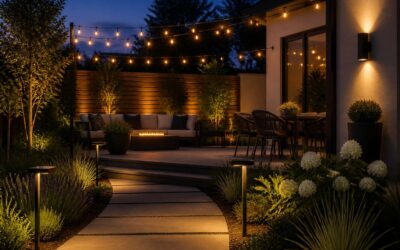
Enhancing Curb Appeal
Curb appeal is a first impression you cannot redo. In South Africa, where evening arrives early, a single outdoor 60w light bulb reshapes how your property is perceived. It is not decoration; it is communication. Light reveals your walls, your garden, your path.
Why does this matter? A well lit exterior signals attentiveness. Neighbours, buyers and guests read that glow as proof of care. For a modest investment, this bulb guides anyone towards your door without a word. The goal is to sculpt character, not to flood every corner:
- It softens harsh shadows hiding architecture.
- It draws the eye to the entrance.
- It builds a warm threshold from street to home.
In my experience, swapping a dull fixture for a properly chosen outdoor 60w light bulb changed my driveway’s mood entirely. No extra lights. Just one giving a better job.
Improving Security
In South Africa, security is not a feature of a home; it is the foundation. Intruders operate in darkness, and a single outdoor 60w light bulb removes that condition before they approach a window or gate. The perimeter becomes a visible boundary, not an invitation.
The value is psychological as much as practical. Illumination changes behaviour. A person lurking in shadow becomes exposed, and exposure forces a decision to move on. My own yard feels less vulnerable when the bulb throws a reliable pool of light across the driveway, eliminating the ambiguity that makes a property look like an easy target. What the eye cannot see, an opportunist counts on seeing for them.
- It collapses blind spots near doors and gates.
- It gives motion and shadow no place to linger.
- It signals that the home is awake and aware.
That consistent glow from a chosen outdoor 60w light bulb works as a silent deterrent, one that does not rely on alarms or noise. It simply makes every approach visible, and that visibility is often enough to send someone elsewhere.
Extending Usable Hours
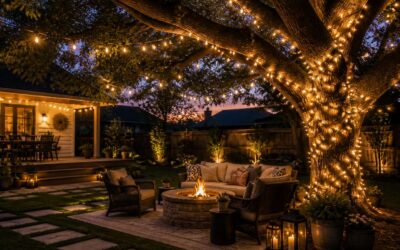
In South Africa, the braai is a democratic ritual. It belongs to everyone, and it should not end at sunset. An outdoor 60w light bulb extends usable hours well into the evening, keeping the gathering alive after the sky goes dark.
I have sat in too many backyards where conversation faded because nobody could see the person speaking. The grill was the only light source. One bulb changes that entirely!
The outcome is practical:
- Guests move safely between the table and the braai
- You can read or work on a laptop outdoors after dinner
- Children can continue playing while adults talk
That single bulb turns a dark, laboured hour into a comfortable one.
Types of Outdoor Bulbs
Incandescent Options
Thomas Edison once remarked that genius is one percent inspiration and ninety-nine percent perspiration. For the discerning South African homeowner, the same could be said for choosing outdoor illumination. The incandescent option for an outdoor 60w light bulb remains a particular darling for those who value a warm, flattering glow over the sterile cast of modern LEDs.
This traditional globe produces a luminous, amber spectrum that renders the textures of brick and greenery with remarkable fidelity. The performance is consistent, offering a baseline colour temperature that flatters most architectural styles without the harsh, blue-white edge common to other technologies. Such a bulb excels in scenarios where static, beautiful light is the goal. Its operation is simple, with no startup delay, and it responds instantly to dimmer switches, a feature not always guaranteed with fancier electronics.
Where one plans a subtle glow for a veranda or a spotlight for a feature tree, the classic halogen filaments offer a particular charm. However, this older technology has operational peculiarities worth noting. The heat output is considerable, and the sheer warmth produced will keep a glass fixture free of condensation, but it also demands respect for clearance. Most models in this category are designed to stay on for extended periods, as frequent switching accelerates filament fatigue. This is not a bulb for motion sensors. It is a workhorse for the ambient evening, providing honest light in exchange for predictable, modest energy consumption. For many, that trade-off is entirely acceptable when the alternative is a clinical, clinical glow.
LED Alternatives
The LED alternative restructures the outdoor 60w light bulb. The wattage stays on the label as an equivalence marker, while the actual draw drops to around 9 watts. For a South African household running several bulbs, the reduction in nightly consumption shows up quickly on the municipal account. During load shedding, that lower draw makes pairing with a small inverter practical.
More significant is the behavioural shift. An LED bulb does not fatigue through frequent switching, so it thrives in motion-sensor circuits where incandescent filaments fail quickly. Its output stays consistent, whereas older bulbs dim measurably as the filament erodes.
Colour temperature becomes a deliberate choice:
- 2700K gives warm amber tones, closest to incandescent.
- 4000K suits braai areas and stairs with neutral white.
- 6500K provides clinical daylight for perimeter visibility.
The philosophical difference is permanence. An outdoor 60w light bulb in LED form may outlast the fixture it sits in.
Halogen Bulbs
Halogen bulbs offer a different trade. They burn hot, literally, converting electricity into a searing white beam. For a South African garden, that means shadows disappear sharply. An outdoor 60w light bulb in halogen form delivers full brightness instantly, even on the coldest highveld night.
That intensity carries consequences. The filament runs under pressure inside quartz glass, which is why the bulb never blackens. It also radiates significant heat, so proximity to timber or dry grass becomes a real concern. Halogen lifespan hovers near 2,000 hours, far shorter than LED.
- Instant full output, no warm-up delay.
- High heat emission can scorch nearby materials.
- Consistent colour rendering for security cameras.
Smart Bulbs
Control is the real luxury of a smart bulb. An outdoor 60w light bulb with smart connectivity responds to a phone app or a voice command. You can schedule it to fade as the last person heads to bed, or turn on in a staggered sequence to mimic an occupied home!
That intelligence does not require complex wiring. Most units screw into the existing E27 socket, pairing via Wi-Fi or Zigbee. The trade is the initial cost, which sits far above a halogen.
- Set specific dimming curves for different nights
- Link the bulb to a solar sensor or local weather
- Adjust colour from 2000K to 5000K on demand
For a South African garden, that outdoor 60w light bulb can be a soft guide light for late night walks, then a white flood for weekend gatherings! No other bulb type offers that versatility.
Key Factors When Choosing a Bulb
Brightness and Lumens
Most people assume higher wattage means brighter light. That assumption crumbles once you look at lumens, the actual measure of output. For an outdoor 60w light bulb, brightness varies wildly depending on the technology inside.
In South Africa, where load shedding disrupts evenings, lumen output becomes a practical concern. A 60 watt incandescent yields roughly 800 lumens, while an LED replacement can hit that number with far less power. The area you need to light dictates the required lumens. A narrow porch needs less than a sprawling driveway.
Key factors to weigh:
- Lumen output relative to fixture height
- Beam angle, which controls spread
- Colour temperature, which alters perceived brightness
Your eyes adapt to darkness, so a bulb that feels bright indoors may seem dim outside. Comparing lumens, not watts, changes how you evaluate an outdoor 60w light bulb.
Color Temperature
Most people never consider how Kelvin shifts change their property’s character, but the difference between a 2700K warm glow and a 5000K daylight beam is profound. A warm veranda invites, a cool yard alarms. When selecting a bulb, several factors matter:
- The surface being illuminated: brick reflects warm light beautifully; cold concrete suits cooler tints
- Ambient light around your property after sunset
- Whether the space serves security, entertainment, or both
I have walked many South African gardens where the wrong tint made a driveway look drab or a stoep feel clinical. An outdoor 60w light bulb performs its job only when the colour temperature matches the activity. The same outdoor 60w light bulb can transform a braai area or ruin it. Colour temperature changes your perception of the entire outdoor scene.
Weather Resistance
South African weather is not gentle. A coastal garden brings salt spray, the Highveld brings hail, and the Karoo brings dust. The outdoor 60w light bulb you choose must survive all of it. That means looking past the glass and checking the housing and seals!
Water and dust ingress is rated by IP numbers. An IP65 fitting keeps out jets of water, while IP44 only handles splashes. For an exposed Cape Town wall, choose IP65. For a covered veranda, IP44 might be enough.
The socket and casing matter too. Die cast aluminium resists corrosion better than painted steel, and silicone gaskets outlast rubber. I have replaced too many fittings where the housing failed before the lamp did.
Here is what I check before buying:
- IP rating for direct rain exposure
- Corrosion resistant casing for coastal air
- Sealed gasket quality around the lens
The outdoor 60w light bulb only performs when the housing protects it.
Energy Efficiency Ratings
Energy efficiency ratings deserve the same scrutiny you might give a wine label. The luminous efficacy, measured in lumens per watt, tells the real story. Older halogen models of the outdoor 60w light bulb waste 90% of their energy as heat. A modern LED equivalent can deliver the same brightness while drawing a fraction of the power. The South African energy label, familiar from your fridge, applies to bulbs too.
The details on the box reveal the priorities:
- The A++ rating indicates the highest efficiency tier.
- Lumens per watt rewards a bulb that produces more light for less electricity.
- A lower Kelvin number creates warmer light, which often feels more inviting on a patio.
A fixture that glows beautifully but devours electricity will quietly inflate your municipal account. The outdoor 60w light bulb you choose today should be judged by what it costs to run, not what it costs to buy.
Lifespan Expectations
Lifespan expectations deserve their own conversation. A cheap bulb that fails within months creates a different expense than one that lasts years. The outdoor 60w light bulb in a fitting that suffers constant rain and heat needs robust construction. Many homeowners replace bulbs out of frustration, not because the filament died.
Consider what the packaging tells you about rated life:
- Incandescent bulbs typically last around 1,000 hours.
- Halogen versions manage roughly 2,000 to 3,000 hours.
- LED equivalents can exceed 25,000 hours.
That gap changes how you plan your maintenance. I have climbed down from a ladder in a Highveld thunderstorm to swap a blown unit, and I can tell you the appeal fades fast! The outdoor 60w light bulb that keeps working through winter weather saves more than money. It saves patience. When you compare costs per year of use, the initial price tag becomes almost irrelevant.
Compatibility with Fixtures
The fitting itself often dictates which outdoor 60w light bulb will actually work in your home. South African households predominantly use E27 screw bases or B22 bayonet caps, yet older properties can surprise you with non-standard fittings. Before you settle on any outdoor 60w light bulb, inspect the existing bulb.
Physical dimensions matter just as much. Check these details:
- Bulb length against the glass shade depth
- Overall diameter for recessed fittings
- Maximum wattage stamped on the fixture
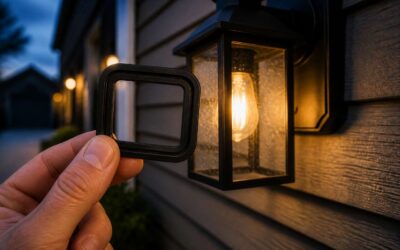
A bulb that extends beyond a wall lantern’s glass shade invites moisture ingress, while an oversized globe may not seat properly. I have seen this mismatch cause more blown bulbs than actual electrical faults!
Check whether your fitting is enclosed. Certain LED and halogen designs require open air to manage thermal output, and sealing them inside a weatherproof housing accelerates degradation. The packaging usually states whether the bulb suits enclosed fixtures.
Installation and Maintenance Tips
Checking IP Ratings
The installation of an outdoor 60w light bulb fails not in the wiring, but in the seal. IP ratings determine whether the fixture survives rain, dust, or coastal salt. A rating of IP65 means protected against jets, but the gasket must be seated. If the bulb sits in a damp location, a lower rating invites corrosion from within.
Check the luminaire’s stamped rating before mounting. The housing, not the bulb, is the true barrier. In South Africa, where thunderstorms arrive without warning, the difference between IP44 and IP66 can be measured in months of service.
- Inspect the rubber ring each season for cracks.
- Tighten the glass cover only until firm; over-compression warps the seal.
- Replace any bulb with moisture ingress, even if it still glows.
The outdoor 60w light bulb will endure only as well as its weakest joint. Maintain the seal, and the light stays faithful through the dark.
Proper Fixture Sealing
Heat cycling is the quiet cause of most fixture failures. Every sunset, the bulb expands; every dawn, it contracts. This constant motion loosens the gasket, so a seal that survived winter may leak in autumn.
Installation demands clean hands and a cleaner groove. Wipe the channel where the O-ring sits, removing crusted dust and old lubricant. Apply a single bead of silicone grease, then press the gasket into place with your fingers, ensuring no twist.
- Hand-tighten the retaining ring, then add a quarter turn with a strap wrench
- Check the glass for hairline cracks before each rainy season
- Re-grease the O-ring every six months
The housing determines the outcome. A few minutes of preventive care each season will keep the outdoor 60w light bulb burning through the worst of a South African thunderstorm.
Replacing Old Bulbs Safely
There is a quiet finality to a bulb that has surrendered its last surge of light. Before your fingers touch the glass, let the fixture rest, cool and still, for at least five minutes. Heat lingers inside like a held breath, and an outdoor 60w light bulb pulled too soon can leave a searing reminder on your skin. I always work with a cloth or a pair of clean gloves, not for grip, but to keep the oils of my own hands from etching into the hot quartz.
Replacing an old bulb demands sequence, not haste. Follow this order to avoid a shower of glass or a short circuit:
– Switch off the power at the circuit breaker, not just the wall switch.
– Use a ladder, never a chair, and brace yourself before twisting counterclockwise.
– Wrap the old bulb in a rag before lowering it, in case the glass cracks mid-removal.
When the old casing finally comes free, inspect the socket for scorch marks or loose wire ends. A damp cloth can wipe away dust, but let it dry completely before inserting the replacement. The new bulb should seat with a gentle, resisting turn until snug, never forced. A cracked glass or a wobbling base signals a deeper problem. Call an electrician, because an outdoor 60w light bulb that fits poorly will fail again, and far too soon.
Cleaning and Upkeep
Nobody thinks about cleaning a light bulb until it stops working. An outdoor 60w light bulb resists weather and time, but dust and pollen settle on the glass and reduce its glow. I clean my fixtures twice a year, once after the rainy season and once before summer. The ritual takes ten minutes!
Use a soft microfiber cloth and a small squirt of isopropyl alcohol. Avoid window cleaners with ammonia; they leave a residue that attracts more dust. For the housing, a dry paintbrush reaches into the corners where spiders build webs. A few tasks make all the difference:
- Let the bulb cool completely before touching it.
- Wipe the glass in one direction to avoid streaking.
- Check the socket for corrosion while the bulb is out.
A clean outdoor 60w light bulb performs as it should. Neglect does not announce itself; it simply reduces the light you depend on.
Cost and Energy Savings
Initial Purchase Price
R20 today, R40 next month. The initial purchase price of an outdoor 60w light bulb is the smallest part of what you will pay. I have watched homeowners fixate on the shelf price while the meter runs behind the wall.
What drives that upfront cost varies:
- Basic units with plain glass and thin housings sell for the least.
- Rugged models with sealed casings and metal fittings cost more.
- Brands with local warranties add a premium for peace of mind.
Yet energy consumption dominates the total. That outdoor 60w light bulb running five hours nightly draws roughly 9 kilowatt hours per month. At South African municipal rates, that is real money leaving quietly every single night. The cheap bulb is only cheap until you pay the electricity bill.
Running Costs Compared
Run the numbers on an outdoor 60w light bulb and the story shifts! A five hour nightly runtime consumes 9 kWh monthly. At municipal rates around R2.50 per kWh, that is R22.50 each month, or R270 annually.
Compare that with a 9 watt LED replacement. The same schedule draws 1.35 kWh, costing roughly R40 per year. The gap is real money.
- Incandescent: R270 per year
- LED: R40 per year
That annual difference covers several new bulbs.
Bulk Discounts
Buying a single outdoor 60w light bulb at retail price leaves little room to negotiate. Bulk purchases change that.
Suppliers offer tiered pricing for boxes of ten or more, often cutting the per unit cost by a fifth. For a property with several outdoor fittings, replacing all bulbs at once lowers your total wattage and improves your energy profile immediately.
Volume orders also mean fewer trips to the store and less packaging waste per bulb. The savings stack up across many fixtures, so the larger initial outlay pays off faster. Depending on the supplier, a bulk order can include:
- Reduced per unit pricing
- Free or discounted shipping
- Consistent colour temperature across every bulb
That consistency matters for security lighting, where mismatched brightness creates blind spots.
Incentives and Rebates
South Africa’s electricity tariffs have risen above inflation for over a decade, making every watt count. Upgrading an outdoor 60w light bulb to a more efficient model can shrink your monthly bill. For many homeowners, that single outdoor 60w light bulb offers a direct route to lower consumption. Yet property owners often overlook the rebates available through municipalities and Eskom’s demand side management programmes.
These incentives vary by region, but they frequently cover a portion of the replacement cost. Incentives typically fall into three categories:
- Municipal rebates on qualifying bulb replacements.
- Tax deductions for businesses under Section 12B of the Income Tax Act.
- Utility credits through Eskom.
Homeowners may qualify for smaller municipal rebates when they submit proof of purchase. Local municipalities publish their current rebate schedules online. The savings appear twice: once on the purchase, again on every monthly statement.

0 Comments