Understanding Outdoor Light Sensors
What is an outdoor light sensor?
In South Africa, more than a quarter of outdoor lighting energy in many cities is wasted by sensors that misread the sky or the weather. So, what is an outdoor light sensor? It’s a small device that measures ambient light and cues a controller to switch lamps on at dusk and off at dawn. A reliable sensor for outdoor light adapts to seasonal change and keeps energy use sane.
- Photocell-based sensors that read daylight levels
- Twilight or ambient-light sensors that adjust with seasons
Placement matters; exposure to direct sun or heavy shade can swing readings. I’ve seen projects where a few centimeters shift saved significant energy and kept outdoor lighting comfortable, not glaring!
How do outdoor light sensors work in exterior environments?
Across South Africa, more than a quarter of outdoor lighting energy in many cities is wasted by sensors that misread the sky or the weather. Understanding how outdoor light sensors operate reveals a path from waste to wonder, turning evenings into balanced, elegant illumination.
In exterior environments, a sensor for outdoor light reads ambient brightness with a photoelectric cell or photodiode, translating light levels into a signal for the controller. The most trusted sensors cultivate consistency through seasonal daylight shifts, dusk, and dawn, avoiding abrupt brightness swings while preserving serenity.
- Placement matters: exposure to direct sun or heavy shade can swing readings.
- Weather and cloud cover subtly alter measurements, demanding adaptive sensing.
Common sensor technologies for outdoor lighting (photocells, photodiodes, and digital sensors)
Robust, precise lighting doesn’t happen by luck; it happens by intelligent sensing. In South Africa’s sun-drenched days and cool nights, the right sensor for outdoor light keeps pathways inviting while saving energy—no drama, just consistent glow through dusk and dawn.
Photocells rely on ambient light to trigger actions; they’re simple, affordable, and can drift with heavy shade or bright noon glare. Photodiodes offer tighter reaction curves and faster response, even under changing cloud cover. Digital sensors bring full-on intelligence with calibration, filtering, and adaptive thresholds.
- Photocells
- Photodiodes
- Digital sensors
Choosing the right sensor for outdoor light shapes mood as much as safety, balancing efficiency with elegance in exterior spaces across South Africa.
Benefits of using outdoor light sensors for homes and businesses
Across South Africa, a sensor for outdoor light can trim energy use by up to 30% while keeping paths welcoming after dusk. In rural courtyards and city gateways alike, the steady, intelligent glow arises from sensing rather than guessing, turning darkness into a quiet ally. I see the glow steady after dusk, a reminder that good lighting is a conversation with the night, not a one-size-fits-all rule!
Benefits are clear when the thing is working right:
- Lower energy bills through precise, site-responsive lighting
- Consistent illumination in shade or glare changes
- Prolonged bulb life and reduced maintenance
- Enhanced safety with predictable nighttime ambience
For homes and businesses across SA, selecting the right sensor means aligning with local light patterns—hot sun, heavy clouds, and the long South African dusk.
Key performance factors to consider
The right sensor for outdoor light must keep pace with the sky. It balances accuracy, drift, and resilience against heat, dust, and rain. Look for sensible thresholds, stable calibration, and a predictable twilight transition—without the late-night “surprise” switch-ons. A device that matches local light patterns avoids the neighborly glare and keeps walkways inviting after dusk.
Key performance factors include:
- Ambient-light range and accuracy across sunny, cloudy, and dusty days
- Calibration stability and drift over seasons
- Weatherproofing and enclosure durability (IP rating)
- Power consumption, maintenance needs, and uptime
When these elements align, SA sites enjoy consistent illumination that adapts as freely as the sunset itself.
Types of Outdoor Light Sensors
Passive vs active outdoor light sensing
At twilight, the sensor for outdoor light keeps watch over approaches and arbors, a quiet custodian of energy and mood. Studies show daylight-responsive sensors can cut outdoor lighting energy use by up to 50%, a stake through waste and glare. Passive vs active sensing divides the night along two roads. Passive sensors sip on the daylight already there—no extra glow, and little maintenance—yet they answer only what the sun has gifted. Active sensors carry a small beacon of their own, probing the scene even when the air is dim, delivering steadier decisions when weather hides the sky.
- Passive: low power, simple wiring
- Active: built-in emitter, greater control
- Choosing: balance cost and climate
For a South African installation, consider sun angles, rains, and the rhythm of lighting needs along driveways and storefronts. The choice shapes durability, maintenance cycles, and the quiet drama of nighttime ambiance.
Photocell (LDR) sensors for outdoors
Twilight over a Cape Town curb—an LDR keeps vigil, and energy use can fall by as much as 50%. This quiet, spectral bargain lives within the sensor for outdoor light family, a watcher that requires little fanfare yet delivers quiet reliability.
Photocell (LDR) sensors for outdoors hinge on a cadmium sulfide cell that changes its resistance with light. When the sun retreats, they close a circuit; come daylight, they open. It’s a straightforward dance—perfect for driveways and storefronts that crave ambience without the glare of over-lit nights, especially along South Africa’s dramatic sun arc.
Consider these traits:
- Low cost and simple wiring
- Rugged enough for exposed conditions
- Seasonal calibration helps align with shifting light levels
Digital and microcontroller-based light sensors
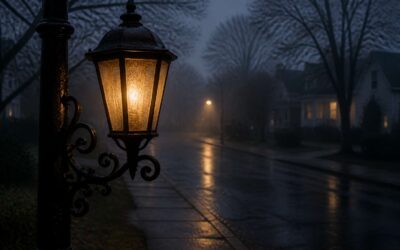
Under South Africa’s dramatic sun arc, the digital observer in a weathered lantern keeps a quiet vigil. A striking stat lingers: outdoor lighting can trim energy use by as much as 60% when a well-tuned sensor guides the glow. The term sensor for outdoor light feels almost ancient, yet its presence is practical and poetic—a silent watchdog that awakens only when the night begs for company.
Two paths populate the market: digital sensors and microcontroller-based light sensing. Digital sensors read light with photodiodes or phototransistors, converting brightness into a numeric value that a controller can read. Microcontroller-based sensors weave sensing and decision-making into a compact brain, letting you tune thresholds, timing, and zoning on the edge.
- Low power, simple wiring, and plug-and-play integration
- Programmable thresholds plus seasonal calibration
- Onboard logic for autonomous responses without a central server
Dusk-to-dawn and dawn-to-dusk sensor solutions
Across South Africa, the night is long and the sun’s arc dramatic. I’ve watched a well-tuned sensor for outdoor light trim energy use by as much as 60%, turning shadow into stewardship. Dusk-to-dawn and dawn-to-dusk approaches offer distinct rhythms for exterior lighting, each with its own soul!
- Dusk-to-dawn: lights switch on at dusk and stay on until dawn, aligning with the night’s quiet vigil.
- Dawn-to-dusk: lights illuminate from dawn and fade as evening returns.
In South Africa, seasonal daylight, urban canyons, and power reliability tilt preference toward one mode or the other. The sensor for outdoor light becomes a quiet conductor in the story of public safety, wildlife balance, and the dignity of a well-lit step.
Weatherproofing and IP ratings for outdoor sensors
Across South Africa’s urban night skies, the sensor for outdoor light trims energy use by up to 60%, while keeping streets dignified in glow.
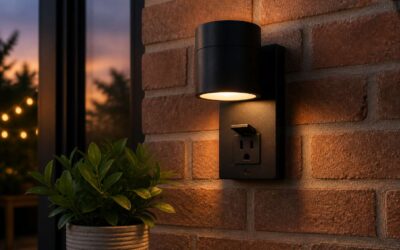
From compact, weatherproof modules to wall-mounted panels, outdoor lighting sensors arrive in versatile forms that suit gates, car parks, and gardens.
Weatherproofing matters as much as accuracy. Look for IP ratings that map dust and water exposure to real-world conditions.
- IP65: dust protected; water jets
- IP66: powerful water jets
- IP66K: high-pressure washdown
- IP67: immersion up to 1 m
With weatherproof resilience, these quiet guardians endure SA’s seasonal shifts, turning long nights into well-illuminated, safer spaces for communities.
Applications and Use Cases
Street lighting and public area automation
Across South Africa’s evolving urban tapestry, a sensor for outdoor light acts as the quiet conductor of nighttime safety and efficiency. When dusk settles, streets glow with intent, weaving energy savings with a welcome and mindful ambience.
Applications and use cases span street lighting and public area automation, where brightness adapts to weather, traffic, and events. Think bustling boulevards, parks, transit precincts, and campuses—where dependable illumination guides footsteps without wasting power.
- Street corridors with variable pedestrian flow
- Public parks and open spaces after sunset
- Public transit stations and carparks
A carefully calibrated sensing solution aligns with city lighting standards while delivering a humane nightscape.
Residential outdoor lighting automation
Across South Africa, a single sensor for outdoor light can redefine nighttime life, turning driveways and facades into a quiet ballet of safety and efficiency. When dusk settles, smart outdoor lighting can trim energy bills by as much as 30% as brightness adapts to weather and activity.
Residential outdoor lighting automation suits spaces like driveways, gardens, and entryways, weaving ambience with security.
- Driveways and entryways for safe, guided passage
- Gardens and patios that softly respond to movement and mood
- Perimeter lighting around gates and boundaries for deterrence
A well-chosen sensor for outdoor light becomes the quiet guardian of your home at night, blending with architecture and landscaping while staying weatherproof and low-maintenance.
Garden and landscape lighting control
Across South Africa, smart external lighting can trim energy bills by up to 30% as dusk settles. The quiet guardian behind the glow is a sensor for outdoor light, guiding brightness where it matters and dimming where it doesn’t.
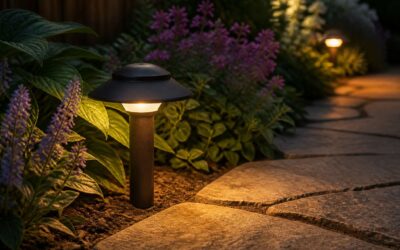
Garden and landscape lighting control becomes a subtle choreography, turning paths, trees, and water features into living accents that respond to movement and seasonal mood.
- Subtle path lighting that guides visitors with minimal glare
- Deck and patio accents that brighten on approach, then soften
- Accent lighting for focal trees and fountains that enhances texture after dark
In residential settings, the result is safer passages, moodier outdoor rooms, and landscapes that endure South Africa’s climate—weatherproof and low-maintenance by design.
Security and safety lighting optimization
Across South Africa’s twilight suburbs, a quiet sentinel keeps watch over doors and driveways—a sensor for outdoor light that decides when to wake the night. In security lighting optimization, this intelligent partner stretches energy and sharpens deterrence, lighting paths just as a visitor steps onto a lawn, then tucking the glow away when the threat passes.
- Perimeter security that activates on movement
- Pathways and stairs lit with gentle guidance
- Entryways and driveways that greet on approach and fade
In real-world setups, these features translate to safer passages and more welcoming outdoor rooms across SA’s climate, from coastal gardens to highveld estates.
Energy savings, ROI, and long-term benefits
Across South Africa’s twilight suburbs, a sensor for outdoor light decides when to wake the night. It makes security lighting efficient and welcoming, a quiet partner that responds to dusk and dawn with calm precision. For homes and estates, that timing translates into safer passages and more usable outdoor rooms without a constant glow.
Key applications include:
- Courtyards and outdoor lounges for safe, social evenings
- Poolside and water-feature zones that illuminate briefly as guests arrive
- Gates, corrals and service yards on demand, saving energy when spaces are empty
That efficiency compounds into tangible ROI and long-term resilience. When you replace steady, burn-all-night lighting with momentary illumination, maintenance cycles lengthen and lamp life improves. In SA climates—from coastal courtyards to highland estates—the result is comfort, safety, and simpler management, delivering a quieter, more deliberate outdoor experience across seasons.
Choosing the Right Outdoor Light Sensor
Define your lighting control goals (auto on/off, dimming, schedules)
Night unfurls like a velvet curtain, from Cape Town to Pretoria, and the right sensor for outdoor light decides what the shadows will do. Define your lighting control goals (auto on/off, dimming, schedules) and you gain a compass for every exterior corner. A mindful choice keeps walkways visible, preserves mood, and shields the meter from wasteful glow while the city drifts into silence.
Consider how your space behaves after dark. Interrogate needs with a brief checklist:
- Auto on/off at defined dusk and dawn transitions
- Dimming levels that respect activity and energy goals
- Schedules for events, security, or landscaping seasons
With these aims, the sensor becomes a quiet guardian, curating light as if it were weathered marble.
Key specs to compare: lux threshold, response time, and range
Outdoor lighting in South Africa moves with the dusk like a living procession. The sensor for outdoor light you choose doesn’t flick a switch—it composes the atmosphere and safety.
When comparing, three specs anchor the decision: lux threshold, response time, and range.
- Lux threshold: the ambient-light level that triggers switching, typically measured in lux.
- Response time: how quickly the sensor reacts once the threshold is crossed.
- Range: the distance over which light detection reliably informs your fixtures.
These metrics translate to real-world behavior—darker Cape Town evenings demand a slightly lower threshold and a faster response to preserve mood without waste. A balanced choice for a sensor for outdoor light respects both energy goals and security needs.
Let the numbers guide your eyes, not dictate you; the dusk is a canvas and the sensor a brush.
Integration options: wireless vs wired, compatibility with smart home ecosystems
South Africa’s evening tempo shifts with the sun; a smart outdoor setup can trim energy bills by up to 30%. A capable sensor for outdoor light acts as the quiet conductor, shaping mood and safety without a harsh switch.
Wireless options simplify retrofits and keep facades clean, but they depend on battery life, interference, and reliable connectivity. Wired sensors offer rock-solid reliability and steady power, though installation can be more invasive. Either path should start with a clear understanding of dusk detection and prompt adjustment.
Compatibility with smart home ecosystems broadens a device’s reach.
- Matter, Zigbee or Z-Wave compatibility
- Direct Wi-Fi control for simple setups
- Platform integrations such as SmartThings, Home Assistant, Apple HomeKit, and Google Home
Durability and outdoor hardware considerations (temperature, IP rating)
Choosing the right sensor for outdoor light means pairing resilience with performance under South Africa’s sun-burnished skies. A smart, durable unit acts like a quiet guardian, shaping mood and safety while trimming energy bills as dusk settles—the magic is in the accuracy that never capriciously winks off.
Durability begins with temperature tolerance and enclosure protection. The best options embrace wide operating ranges, UV-stable housings, and corrosion-resistant materials that stand up to coastal humidity and inland heat.
- Temperature range: -20°C to 60°C
- IP rating: IP65 or higher for rain, dust, and spray
- UV-stabilized plastics or powder-coated metals to resist sun and salt air
In the South African environment, even modest enclosures must withstand wind, dust, and salt in coastal zones. I favor rugged seals and sealed cabling so the sensor for outdoor light stays precise as night falls and the city hums.
Cost, maintenance, and lifecycle considerations
A sensor for outdoor light can trim energy bills across South Africa’s sun-burnished streets without lifting a finger. Even conservative estimates put potential savings around 40–50% when a dependable unit meets dusk-to-dawn demand. Beyond the price tag, reliability and compatibility with existing controls matter, ensuring the light only answers when needed and stays true under heat, wind, and dust.
Maintenance goes beyond the occasional wipe. Enclosures that resist salt spray, UV, and dust keep drift and false triggers at bay. Lifecycle planning considers replacement cycles for sensors and electronics, warranties, and serviceability in urban centers or more remote sites.
- Upfront cost versus long-term savings
- Maintenance cadence and component longevity
- Lifecycle, warranty coverage, and ease of replacement
Installation, Calibration, and Maintenance
Optimal placement for stable daylight sensing
Installation sets the tone for daylight-responsive lighting. A sensor for outdoor light should adapt across seasons and sun angles. Position the unit where daylight is clear, free from shadows cast by eaves, trees, or signage. Mount at a height that protects the unit from damage while keeping it aimed at the area you govern. Consider:
- Optimal exposure across seasons and sun angles.
- Clear line of sight with minimal glare from reflective surfaces.
- Secure mounting to weather the winds of South Africa.
Calibration aligns the device with nature’s clock. Establish a sensible lux threshold and observe at dawn and dusk, then adjust for seasonal daylight shifts so transitions feel natural rather than abrupt.
Maintenance and optimal placement ensure longevity. Regularly check for dirt on the lens, inspect seals and wiring, and keep vegetation from blocking the field of view. A well-placed sensor yields stable daylight sensing through the seasons in SA.
Calibrating thresholds and timers for reliability
In SA, daylight rhythms don’t wait for your calendar. A sensor for outdoor light that is installed correctly can trim energy use by as much as 60%. Installation should prioritize a clear field of view, a solid enclosure, and protection from seasonal winds while staying aimed at the zone you control. Secure mounting matters as much as the electronics inside!
Calibration aligns the sensor with nature’s clock. A sensible lux threshold is considered, and dawn and dusk transitions are observed to account for shifting sun angles across the year. It should transition smoothly, not snap to life; small changes can yield big reliability gains.
Maintenance keeps the performance honest. Periodically wipe the lens, inspect seals and wiring, and trim vegetation that intrudes on its field of view. If you notice glare from nearby surfaces, adjust angles or shielding to protect the integrity of your sensor for outdoor light.
Weatherproofing, mounting, and cable management
In SA, daylight moves like a living canvas, and your lighting must answer with quiet precision. Install a sensor for outdoor light where it enjoys a clear field of view, a robust enclosure, and cables tucked away from the weather. Secure mounting stands shoulder-to-shoulder with the electronics inside, for the wind has its own agenda.
Calibration ties the clock to nature’s seasons. Set a sensible lux threshold and observe dawn and dusk as the sun learns its yearly angles. The transition should breathe softly, not snap to life, granting steadier performance across the year.
- Weatherproofing standards
- Cable routing and strain relief
- Secure mounting against winds
Maintenance forms the quiet cadence that keeps the system honest. Weatherproofing, mounting, and cable management frame the long view. A clear sightline and durable seals shape reliability, while surface glare invites soft shielding adjustments to protect the sensor for outdoor light.
Troubleshooting common issues with outdoor light sensors
Across SA, daylight moves like a living canvas, and the right installation makes every dusk count. Install a sensor for outdoor light where it has a clear field of view, a robust enclosure, and cables tucked away from the weather. Wind speaks—stay steady.
Calibration ties the clock to nature’s seasons. Set a sensible lux threshold and observe dawn and dusk as the sun learns its yearly angles. The transition should breathe softly, not snap to life, granting steadier performance across the year.
Maintenance forms the quiet cadence that keeps the system honest. Troubleshooting common issues keeps days predictable:
- Dirty enclosure or misaligned optics
- Loose cabling or weak strain relief
- Glare or sun angle confusing the sensor
When to replace sensors and upgrade to newer technologies
Installation matters, and the choice of placement reveals daylight’s rhythm: a sensor for outdoor light deserves a clear field of view, shielded from heat vents, with cables tucked and weatherproofed. A robust enclosure and mindful height keep glare at bay and birds away from the sightline.
Calibration should be patient. Set a sensible lux threshold, test dawn and dusk across seasonal shifts, and allow transitions to breathe—steady, not abrupt—so performance remains reliable through the year.
Maintenance keeps the rhythm honest. Regularly wipe the enclosure, inspect cabling, and watch for misalignment. When wear, weathering, or drift erode accuracy, consider replacement and upgrade to newer technologies for longer-term savings.

0 Comments