Understanding Battery Powered Outdoor Lighting
What makes battery powered outdoor lights practical
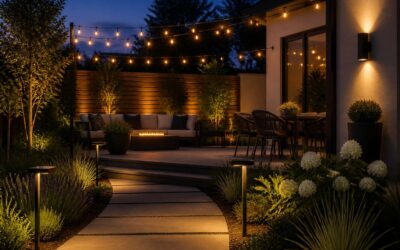
Light should be friendly, not fussy—especially after sunset. In South Africa, a sturdy battery-powered glow offers instant ambience on patios and gardens, without the hassle of wiring. It’s the kind of practical elegance that handles gusty winds, coastal humidity, and the occasional power cut with a wink.
- No wiring required
- Flexible placement on steps, borders or planters
- Durable, weather‑resistant LEDs with long battery life
For an outdoor light battery operated setup, you simply press a button and enjoy. Batteries range from replaceable cells to rechargeable packs, with some models pairing solar charging and auto-timers to keep things serene and energy-smart in a South African twilight.
Key differences from solar and plug-in options
Light speaks in the quiet afterglow, and in South Africa that voice travels without cords. The outdoor light battery operated option delivers instant ambience along patios and gardens the moment the sun bows out, with a friendly wink rather than a tangle of wires.
Set beside solar and plug-in cousins, this format frees glow from daylight and outlets. A battery powered light stores energy in replaceable cells or rechargeable packs, while some models blend solar charging and auto-timers to pace the evening with serene cadence.
- Power source and run-time: energy is stored for hours of mood, independent of the day’s light, with options ranging from quick swaps to extended recharge cycles.
- Placement freedom and aesthetics: no cables to bind corners; light can sweep along steps, borders and planters with sculpted shadows.
- Durability and maintenance: weather‑resistant LEDs stand up to gusts and humidity; periodic battery checks keep the glow steady through the seasons.
In the South African twilight, the quiet drama of a garden leans on portable glow, inviting linger and a soft, shared reverie as shadows soften and space breathes.
Common battery types and how they work
In South Africa, more than 60% of garden evenings extend into the hush of blue hour when lamps glow softly and shadows become music. Understanding what powers that glow—outdoor light battery operated magic—depends on recognizing battery types and how they bend time for LEDs. Each cell is a tiny almanac of energy, waiting to trade sun for ambience!
Common battery types and how they work:
- Alkaline cells: disposable and steady for short bursts; not ideal for frequent recharge.
- NiMH (nickel‑metal hydride): rechargeable, decent cycle life, kinder to longer evenings.
- Li-ion (lithium‑ion) or LiFePO4: high energy density, lighter weight, longer life with smart charging.
For outdoor lighting setups, temperature, cycle life and charging cadence guide the choice. In South Africa’s heat and humidity, a chemistry that preserves safety, tolerates sun, and rewards reliable run-time keeps evenings generous and bright.
Energy efficiency and brightness considerations
In South Africa, a crafty outdoor light battery operated setup can turn a modest courtyard into a stage for dusk. Energy efficiency is the spell that keeps that magic alive without gobbling the budget. LEDs glow with quiet confidence as night unfurls.
Brightness and efficiency go hand in hand. Opt for measured lumen output, thoughtful beam angles, and warm tones that sustain the mood through long evenings. The run-time story hinges on heat, chemistry, and cadence—not bravado.
- Balanced lumen output aligned with space and flow
- Color temperature that preserves ambience as temperatures fall
- Automation that trims brightness when movement is minimal
When these elements align, such systems reveal a gentle theater—the glow that guides paths and invites lingering beneath the stars.
Choosing the Right Battery Powered Outdoor Lights
Assessing space, style, and purpose
Evening glow extends your space, and a single stat can prove it: in South Africa, 60% of homes report stronger ambience when outdoor light battery operated arrangements grace the yard after dark. With the right scale and warmth, paths, gates, and gathering nooks emerge as quiet theatre, never shouting at the night.
Assessing space, style, and purpose guides your choice. A compact courtyard benefits from warm, diffuse lamps; a long driveway cries out for safe, bright delineation; a balcony asks for slender rail lights or string accents. In every corner, aim for harmony with the landscape—liveable light that adds atmosphere without glare.
- Space scale and layout to guide fixture count
- Ambience, color temperature, and contrast with plantings
- Run time expectations and recharging logistics
Water resistance and durability ratings
In South Africa, 60% of households report heightened ambience once the yard glows with outdoor light battery operated fixtures after dark. For selecting fixtures, water resistance and durability aren’t afterthoughts; they’re the hinge on which lasting charm turns.
When you choose, look for IP ratings of at least IP65 for protection against jets of water and dust. Materials should resist coastal salt and UV fade; powder-coated aluminium or marine-grade stainless steel perform best, with gasketed enclosures to keep electronics smiling in rain and heat alike. The right choice helps the outdoor light battery operated experience endure in variable conditions.
That care matters whether your outdoor light battery operated display faces monsoon rain or humid SA evenings, ensuring the glow remains steady without glare or flicker.
- IP65 (or higher) ingress protection for rain and dust
- Corrosion-resistant housing in stainless steel or powder-coated aluminium
- Sealed, access-friendly battery compartments and weatherproof seals
Light color, temperature, and brightness
Twilight speaks in a language of glow, and South African gardens listen. Those evenings rely on outdoor light battery operated fixtures that give memory shape—soft, steady, unforced—so moments linger longer in the light.
Color temperature steers mood more than brightness. For outdoor light battery operated setups, consider these ranges:
- Warm white (2700–3000K) for intimate evenings
- Neutral white (3500–4100K) for balanced tone
- Cool white (5000–6500K) for crisp accents
Brightness and fidelity keep the scene honest. A higher CRI preserves natural hues as dusk deepens, while dimming yields a subtler, steadier glow for every SA environment—whether patio or path.
Mounting options and placement tips
Light writes the night’s diary, and South African terraces listen with a steady, warm glow. Choosing the right outdoor light battery operated fixtures transforms evenings without fuss, shaping mood with a quiet, confident hand. Wall brackets, post mounts, and stake lights each promise a different chapter for your space.
Mounting options offer texture and rhythm to pathways and patios. Consider these natural fits:
- Wall brackets for patios and verandas, keeping beams level and close to the conversation.
- Post-mounted bollards along borders or driveways, creating a guiding line without glare.
- Ground stake lights beside steps and garden beds, offering gentle anchoring light.
Placement tips are about sightlines and rhythm—eye-level warmth where guests linger, path glow where feet wander, and no glare that breaks the mood. Place lights to reveal texture, not to shout, and let the composition breathe as dusk deepens.
Installation, Use, and Maintenance
Safe installation practices and mounting tips
A well-planned installation breathes life into a garden or path. Safe practices emphasize sturdy mounting, neat cable management, and weather sealing. For outdoor light battery operated setups, choose rust-resistant brackets and gaskets, and ensure easy access to replace batteries. Position units away from direct downpours while maintaining the desired illumination.
When dusk settles, the right balance of brightness and color matters. Look for programmable schedules or sensors to fit your rhythm and conserve energy. Battery powered systems reward thoughtful placement—consider glare, space, and a model whose warmth enhances the setting.
Maintenance keeps performance consistent: clean lenses, inspect seals, and replace batteries before brightness dips. Gentle care with a soft cloth prevents smudges, while periodic checks help catch corrosion early. Store units in a dry, ventilated place during the off-season to preserve seals and battery life.
Battery charging methods and runtime estimates
“The night is a canvas, and light is its brush,” a South African gardener once whispered on a cool verandah. With outdoor light battery operated fixtures, the garden becomes a living constellation after sunset.
Installation anchors fixtures to sturdy brackets, with weatherproof gaskets and neat cable management. The design conversation favors rust-resistant hardware and thoughtful placement to maintain steady illumination while preserving garden aesthetics.
Use hinges on smart charging and predictable runtimes. Many units offer USB-C rechargeable packs or replaceable cells; some integrate solar charging—ideal for SA summers—yielding 6–12 hours of gentle glow per charge in steady mode.
- USB-C rechargeable packs
- Replaceable AA/AAA cells
- Integrated solar charging
Maintenance keeps luminosity honest: wipe lenses with a soft cloth, inspect seals for wear and corrosion, and replace batteries before brightness dips. Store units dry and ventilated in the off-season.
Charging safety and storage guidelines
Installation anchors fixtures to sturdy brackets, with weatherproof gaskets and tidy cable routing. The design favors rust-resistant hardware and deliberate placement to balance steady illumination with garden aesthetics. For outdoor light battery operated setups, mount away from direct downpours and test tilt angles to avoid glare.
Use focuses on reliable runtimes and simple operation. Choose steady mode for paths and borders, adjust brightness to sustain ambience, and keep cables neat. Ensure units stay dry when changing power sources—humidity here in SA can steal lumens and lengthen the night.
Maintenance keeps luminosity honest: wipe lenses, inspect seals, and replace batteries before brightness dips. Even in drizzle, an outdoor light battery operated system persists.
- Inspect seals for wear after rain.
- Charge only in dry conditions.
- Store off-season in a cool, dry place.
Maintenance routines to maximize life
Installation remains the quiet art of aligning light with the garden’s mood. For outdoor light battery operated installations, position units where pedestrians meet shadows with intention, ensuring a balanced wash without harsh hotspots. Choose heights and angles that blend with the scenery, and maintain easy access for battery checks after wind and rain.
Use should honor atmosphere over excess. Settle on a gentle glow that guides without shouting, letting texture and distance shape the scene. To help the flow, consider this quick guide:
- A single focal lane with soft edges guides the eye
- Even illumination along borders creates a harmonious boundary
- Dusk testing informs glare balance and mood
Maintenance keeps the warmth in the glow: wipe lenses, inspect seals after rain, and replace batteries before brightness dips. Humidity in SA can steal lumens, so charge only in dry conditions and store off-season in a cool, dry place.
Optimization, Safety, and Efficiency for Outdoor Lighting
Placement for visibility and security
Optimization begins with sight lines and entry points. For walkways in South African homes, aim for even illumination along the route, avoiding shadowy corners. Outdoor light battery operated setups let you adapt layouts without rewiring.
- Primary access points and routes
- Minimizing glare toward neighbours
- Weather-rated housings and sealed battery compartments
Safety comes first: avoid glare into neighbours, keep batteries in sealed, IP-rated housings, and mount away from knobbly roots. Regular checks ensure terminals stay dry and the system survives storms.
Efficiency hinges on smart control. Use motion sensors or timers with LEDs to stretch battery life, while maintaining visibility for security. Reassess in seasons; the best positions—and brightness—shift as spaces evolve.
Smart controls and automation
Darkness is a blank canvas; strategic light writes the season’s story. Optimization begins with sight lines and entry points, delivering even illumination along walkways and banishing shadowy corners. For outdoor light battery operated systems, layouts stay flexible, letting you reposition lamps without rewiring as spaces evolve.
Safety comes first: avoid glare toward neighbours, keep batteries in sealed, IP-rated housings, and mount away from knobbly roots. Regular checks ensure terminals stay dry and the system survives storms.
Efficiency hinges on smart control! Use motion sensors or timers with LEDs to stretch battery life, while maintaining visibility for security. Reassess in seasons; the best positions—and brightness—shift as spaces evolve.
- Motion-triggered activation
- Timed dimming
- Remote scheduling
Energy efficiency and cost savings
Optimization is the skeleton in the night. “Light is the quiet guardian”—plan sightlines and entry points to deliver even illumination along walkways, banishing shadowy corners. For outdoor light battery operated systems, layouts stay flexible—move lamps as spaces evolve without rewiring, preserving atmosphere and efficiency.
Safety comes first: avoid glare toward neighbours, keep batteries in sealed IP-rated housings, and mount lamps away from knobbly roots. Regular checks ensure terminals stay dry and the system survives storms.
Efficiency hinges on intelligent control. Pair LEDs with motion sensors or timers to stretch battery life while maintaining visibility for security. Reassess seasonally, adjusting positions and brightness as outdoor spaces mature.
Weatherproofing care and long-term protection
Optimization is the quiet architect of nightscapes. For outdoor light battery operated installations, sightlines guide the eye along pathways, weaving uniform glow that invites passage while banishing shadows. Flexibility remains a virtue: adjust placements as spaces evolve, preserving atmosphere and efficiency.
- Sightline continuity
- Modular lamp placement
- Weatherproof connectors
Safety anchors the design. I aim to avoid glare into neighbors’ spaces; enclose batteries in IP-rated housings and shield terminals from rain. Weatherproof aesthetics mean mounting away from roots and damp soil, letting storms pass with dignity rather than damage.
Efficiency blooms through intelligent control. LEDs paired with motion sensors or timers stretch power while keeping sightlines bright for security. Reassess seasonally, reposition lamps as patios mature, and embrace weatherproof finishes that endure frost, heat, and rain.


0 Comments