Understanding Recessed Lighting for Outdoor Spaces
Overview of outdoor recessed lighting types
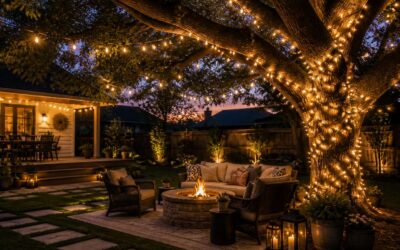
Evenings in a South African garden deserve a standing ovation; a well-placed glow can stretch dusk into a social hour. Designers report up to 40 extra minutes of usable night time when lighting is thoughtfully calibrated, turning patios and pools into stage sets rather than afterthoughts.
Overview of outdoor recessed lighting types begins with a simple premise: an outdoor recessed lighting can tucked along a path or above seating areas can mingle function with drama.
- In-ground well lights
- Recessed deck lighting
- Step lights
- Path and driveway lights
These options vary in brightness, beam angle, and depth, yet all reward restraint. Well lights offer a soft halo, step lights illuminate thresholds, deck lights invite lingering, and grazers reveal texture without shouting.
Key specifications to compare when shopping
LED efficiency can reduce energy use by up to 80%, and in a South African garden that advantage translates into longer, more confident evenings. A subtle, sculpted glow can turn a patio into a stage and a path into a whispered invitation.
Understanding what to compare when shopping helps avoid overlit or underlit missteps. Key specs to weigh:
- Brightness and lumen output
- Beam angle and light distribution
- Color temperature and CRI
- IP rating and corrosion resistance
- Fixture depth, material, and finish
- Voltage, dimmability, and driver quality
- Rated life and warranty
From coastal courtyards to city balconies, the right mix of specs crafts a narrative rather than a performance; the outdoor recessed lighting can quietly orchestrate the night.
Benefits and trade-offs of different fixtures
LED efficiency can reduce energy use by up to 80%, letting South African evenings unfold with quiet authority. When a subtle, sculpted glow emerges, outdoor recessed lighting can turn a patio into a stage and a path into a whispered invitation. The right choice respects architectural lines, weather, and the rhythm of your space.
- Beams and glare: precise optics keep light where it belongs, preserving atmosphere while improving safety.
- Depth and durability: recessed housings must tolerate heat, dust, and moisture without failing.
- Maintenance and mood: finish and LED longevity shape long-term performance and charm.
Choose with a sense of theatre and restraint, and the space answers with a soft, enduring glow.
Materials and finishes for exterior use
Evenings in South Africa feel more expansive when lighting is intentional. A well-designed outdoor space invites lingering, safety, and conversation. An outdoor recessed lighting can designed for exterior use blends with architectural lines while weathering heat, dust, and moisture without complaint.
Material and finish choices matter as much as beam angle. For longevity, consider:
- Stainless steel (AISI 316) with a protective coating
- Powder-coated aluminum in matte black, dark bronze, or graphite
- Brass with a clear protective seal that patinas gracefully
Durability comes from choosing materials that resist corrosion and fading. Durability matters!
Placement, spacing, and layering light for ambiance
Evenings in South Africa whisper secrets to stone and timber, and lighting is the storyteller. In fact, 3 out of 4 tasteful outdoor spaces feel incomplete after dusk without thoughtful glow—proof that the right glow can transform a yard into an invitation. An outdoor recessed lighting can tucked along eaves or pathways blends with architecture while guiding the eye and foot with grace.
Placement, spacing, and layering are your three-part compass. Consider these principles:
- Edge narratives that reveal contours without washing a space in brightness.
- Layering through ambient, accent, and soft silhouettes to create depth.
- Rhythms that mirror architectural lines for cohesive evening scenes.
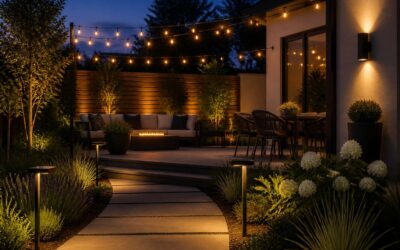
By layering light—soft wash for walls, pinpoint glows for steps, and pockets of warmth around seating—you craft an outdoor atmosphere that’s both magical and practical.
Design and Layout Considerations for Exterior Recessed Lighting
Ambient, task, and accent lighting layering
Evenings on a home in South Africa deserve more than a lone floodlight. A layered layout turns architecture into a quiet theatre, where light chooses where to fall and when to fade. That approach sharpens curb appeal after sunset and makes guests feel drawn in rather than startled by the dark.
Ambient, task, and accent layers evolve from a single idea: let the space breathe. An outdoor recessed lighting can tucked under eaves washes walls in a forgiving glow, while narrow beams guide footsteps and frame entryways without glare.
- Ambient: broad, even glow that reduces harsh shadows.
- Task: focused illumination for paths, stairs, and specific features.
- Accent: sculptural highlights that reveal textures and architecture.
With restraint, this trio respects sightlines and transitions between spaces, letting textures and landscape speak. The night belongs to balance, where glow and shadow perform a subtle, cinematic duet.
Curb appeal, safety, and wayfinding lighting
South Africa’s twilight homes show that well-lit exteriors heighten perceived safety and curb appeal after dusk. “Light is architecture’s quiet diplomat,” notes a seasoned lighting designer, and that language translates into warmth, welcome, and a hint of drama along every wall and garden edge.
Design and layout considerations begin with selecting an outdoor recessed lighting can that blends with eaves and masonry. This choice reduces glare, sharpens curb appeal, and guides guests to entryways and paths without shouting into the night.
Alongside consideration of placement, a few practical details shape the nightscape, from beam angles to the interplay of wall wash and path glow.
- Glare is minimized to preserve sightlines and comfort.
- Spacing along walkways creates a gentle light progression.
- Warm tones harmonize with stone, timber, and landscape textures.
- Weather-ready finishes suit SA coastal and inland climates.
Planning entryways, stairs, decks, and patios
“Light is architecture’s quiet diplomat,” a seasoned designer reminds us, and in South Africa’s twilight homes that diplomacy earns an invitation to linger. For entryways, stairs, decks, and patios, design begins with how a well-chosen outdoor recessed lighting can blend with eaves and masonry, curbing glare and guiding footsteps with discreet elegance.
Beyond placement, tune beam angles, wall wash, and path glow; warm tones harmonize with stone, timber, and landscape textures. Weather-ready finishes stand up to SA coastal winds and inland heat, keeping the scene seamless after dusk. The aim is subtle drama—enough light to read a step, enough shadow to preserve mystery!
- Architectural alignment: beams that echo eave lines for a seamless silhouette.
- Path glow: even spacing that yields a gentle progression along steps and thresholds.
- Texture and color: warm tones that mingle with stone, timber, and planting.
- Durability: weather-ready finishes designed for SA coastal and inland climates.
Beam spread, color temperature, and CRI choices
“Beam spread is the choreography of space,” a designer reminds us, and with an outdoor recessed lighting can, the evening breathes with quiet authority. In South Africa’s twilight, align spreads to echo eave lines and masonry, curbing glare while guiding footsteps with restrained elegance.
- Beam spread: narrow for stairs and steps, wider for welcoming thresholds and wall washes.
- Color temperature: 2700K–3000K for warmth that harmonises with stone, timber, and landscape textures.
- CRI: 80+ for honest color rendering; 90+ where true hues matter in garden greens and foliage.
Together, beam, hue, and fidelity draft a quiet score that reads stone, plant, and dusk as one unified landscape.
Installation, Wiring, and Safety Standards
Electrical codes, permits, and planning steps
A recent study pegs curb appeal gains from outdoor lighting at up to 30%, and yet the real magic hides in installation. The outdoor recessed lighting can slips into eaves or garden alcoves with quiet grace, edge catching light without shouting. Choose weatherproof, IP-rated housing and plan paths that respect roots and stonework.
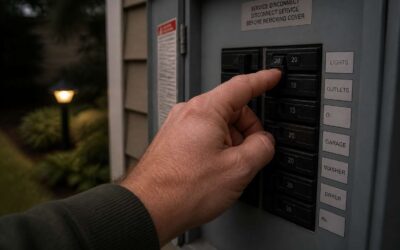
To power that glow, you choose between low-voltage runners and line-voltage circuits, always with conduit and moisture-sealed connectors. In SA, a licensed electrician should review transformer placement, GFCI protection, and weatherproof junctions.
Safety standards, permits, and planning steps shape the dusk-lit threshold. In SA, coordinate with authorities and ensure compliance with SANS 10142-1. Hire a professional installer for care.
- Permits and inspections
- Code-compliant, weatherproof fixtures
- Professional installation and testing
Wiring options: low-voltage vs line-voltage setups
The night leans close, and the claim is plain: curb appeal can rise by as much as 30% when someone invites light to the facade. The installation of an outdoor recessed lighting can feels like conjuring a quiet star—subtle, precise, and never brash. The work must move with architectural patience, edging along eaves and alcoves without shouting at the shadows.
Wiring options split like two corridors in a moonlit gallery: low-voltage vs line-voltage. Each path carries a different mood and constraint. I’ve kept the contrasts tight and practical:
- Low-voltage systems use a transformer and low current, easing concealment and gentle routing through garden edges.
- Line-voltage runs deliver mains power over longer distances but demand careful weatherproofing and professional oversight.
In SA, safety standards and local codes govern the work; prove the strength of every connection with moisture-sealed junctions and compliant enclosures. The dusk-lit threshold awaits competent hands.
Waterproofing, IP ratings, and weatherproof seals
South African facades deserve lighting that whispers rather than shouts! The outdoor recessed lighting can should sit flush with architectural lines, skimming eaves and alcoves with restraint. Wiring choices, from low-voltage to line-voltage, set the mood of the glow, while the fixture itself remains a quiet actor, shaping night-time curb appeal without disturbing the silhouette.
Waterproofing and weatherproof design are non-negotiable for SA climates. Ensure components carry solid IP ratings and rugged seals; otherwise, the glow fades with the first storm. The following features guard the envelope of light:
- IP65 or higher housings to resist dust and driving rain
- Gasketed, moisture-sealed junctions for reliable connections
- Weatherproof enclosures and flame-retardant cabling designed for outdoor use
Safety standards in SA align with local codes, requiring compliant enclosures, outdoor-rated cabling, and weatherproof fittings. Professional oversight ensures the glow near thresholds remains reliable through seasonal changes and heavy rain.
Choosing trims, housings, and junction boxes
Installation for an outdoor recessed lighting can sits at the intersection of architecture and weather. It should kiss the façade, not shout, with careful cutouts and clean lines; the right trim and housing choices determine how the light sits to the architecture.
Wiring choices matter: low-voltage runs are gentler on long runs; line-voltage demands robust protection. Use outdoor-rated cabling and weatherproof junction boxes with gasketed connections to preserve integrity in variable SA climates.
Safety standards guard against substandard work; ensure enclosures, cabling, and fittings comply with SA codes and are installed under professional oversight.
- trims
- housings
- junction boxes
Common installation mistakes and how to avoid them
The outdoor recessed lighting can glints like a star tucked into the wall, guiding guests with quiet grace. Installation should kiss the façade with clean lines and precise cutouts, letting architecture breathe rather than shout.
Common installation missteps include jagged cutouts that misalign with trim, shallow housings inviting moisture, and neglected seals that surrender to weather. These oversights dull detail and invite wear in SA climates.
To avoid these flaws, consider these high-level cautions:
- Inaccurate cutouts and misaligned trims
- Unsealed junction boxes and gasket failures
- Inadequate weatherproof seals for cables
Wiring choices shape longevity: low-voltage runs ease long spans; line-voltage demands robust protection. Use outdoor-rated cabling and gasketed, weatherproof junction boxes to preserve integrity through sun and rain in SA.
Safety standards guard against substandard work; enclosures, cabling, and fittings must comply with SA codes and be installed under professional oversight.
Energy Efficiency, Controls, and Maintenance
LED vs traditional bulbs and long-term savings
LEDs now use up to 80% less energy than halogen bulbs, a stat that reshapes outdoor lighting budgets and curb appeal. An outdoor recessed lighting can delivers that efficiency without sacrificing style, thanks to cooler operation and longer life. You’ll enjoy lower running costs and fewer replacements over time.
Controls matter as much as the bulbs themselves. Modern recessed fixtures can be paired with dimming, timers, and motion sensors to conserve energy while preserving ambiance, especially in South Africa’s sun and rain.
- Dimmable drivers to adjust brightness and cut power
- Motion sensors that light only when activity is detected
- Timed schedules aligned with daily routines
Maintenance and long-term savings: LED life stretches into tens of thousands of hours, far beyond traditional bulbs. With an outdoor recessed lighting can, fewer replacements and solid seals translate into lower ownership costs over years.
Dimmable options and smart control integration
Around South Africa, LED outdoor lighting now uses up to 80% less energy than halogen bulbs—a stat reshaping budgets and curb appeal. An outdoor recessed lighting can delivers that efficiency without sacrificing style, thanks to cooler operation and longer life, even under the sun.
Controls matter as much as the bulbs themselves. Modern recessed fixtures can be paired with dimming, motion sensors, and timed schedules to conserve energy while preserving ambiance, especially in South Africa’s sun and rain, and many models offer smart control integration for remote or voice-assisted operation.
- Dimmable drivers to adjust brightness and cut power
- Motion sensors that light only when activity is detected
- Timed schedules aligned with daily routines
LED life stretches into tens of thousands of hours, far beyond traditional bulbs. With this setup, fewer replacements and solid seals translate into lower ownership costs over years. I’ve seen residences enjoy uninterrupted evenings long after installation.
Estimating energy usage and return on investment
In South Africa, LED designs reshape budgets—up to 80% less energy than halogen. The outdoor recessed lighting can deliver that efficiency without sacrificing style, thanks to cooler operation and longer life, even under sun and rain.
To estimate energy usage and return on investment for this setup, consider these factors:
- Wattage and hours form the energy-use profile for each fixture
- Cost comparisons reveal the potential savings against halogen baselines
- Maintenance and lifespan influence total ownership costs over time
That ROI applies to the outdoor recessed lighting can, too. Factoring in practical maintenance and weatherproofing, the fixture becomes a quiet, reliable companion after the first year, especially with smart controls. The result is a low-visibility, high-impact ambiance that remains steadfast through SA’s sun and sudden showers.
Fixture durability, weather resistance, and maintenance routines
Nightfall in South Africa carries a stubborn mix of beauty and challenge. The outdoor recessed lighting can blends style with efficiency, with LEDs that run cooler and last longer through sun and rain, shrinking energy costs while elevating curb appeal.
From a design and performance standpoint, its strengths are clear:
- Low-wattage LEDs with long lifespans that preserve ambience
- Smart controls and dimming that optimize energy use without sacrificing mood
- IP-rated housings and weatherproof seals that shrug off SA weather
In my experience, maintenance for this fixture is subtle but essential: durable materials resist UV wear and moisture, optics stay clear, and the design invites a low-maintenance attitude. The outdoor recessed lighting can remains steadfast after the first year, especially when paired with smart controls that extend its quiet reliability.
Parts, upgrades, and replacement timing
Across South Africa, exterior spaces deserve lighting that feels magical and sensible. The outdoor recessed lighting can runs cooler, uses fewer watts, and preserves ambience from dusk till dawn, turning energy savings into curb appeal.
Controls elevate mood without waste. Smart dimming, programmable scenes, and simple timers let the glow breathe with the moment—soft at midnight, steady for gatherings—while keeping energy use aligned with activity.
Maintenance Parts, upgrades, and replacement timing are the quiet work that keeps the fixture singing. Durable housings seal out weather, lenses stay clear, and LEDs maintain color; upgrades like smarter drivers or finer optics can extend life and reduce future hassle.
- Inspect seals, lenses, and LED modules
- Consider driver upgrades and dimming compatibility
- Plan replacement timing with LED lifespans in mind

0 Comments